


Tahir Atwater has spent much of his life noticing who has been left out and making sure they are recognized and included. Making space for those on the outside is something he has done for as long as he can remember, going as far back as his days on the playground. “From my earliest memories in grade school, if I saw a kid who seemed to be by themselves, and not by choice, that was the person I wanted to go talk to,” he said. “I didn’t care about trying to be down with the ‘in crowd.’ I wanted to make sure there weren’t people sitting around on the playground by themselves with no one to play with.”
Tahir has made it his mission to foster belonging and equity wherever his path takes him. He puts those values to use within his volunteerism and in his role as executive director of the Midwest Innocence Project. “My vision is to make the world a better place for the strangers who are in it,” he said. “I like being able to look in the mirror and say, yes, I am doing something for people other than myself.”
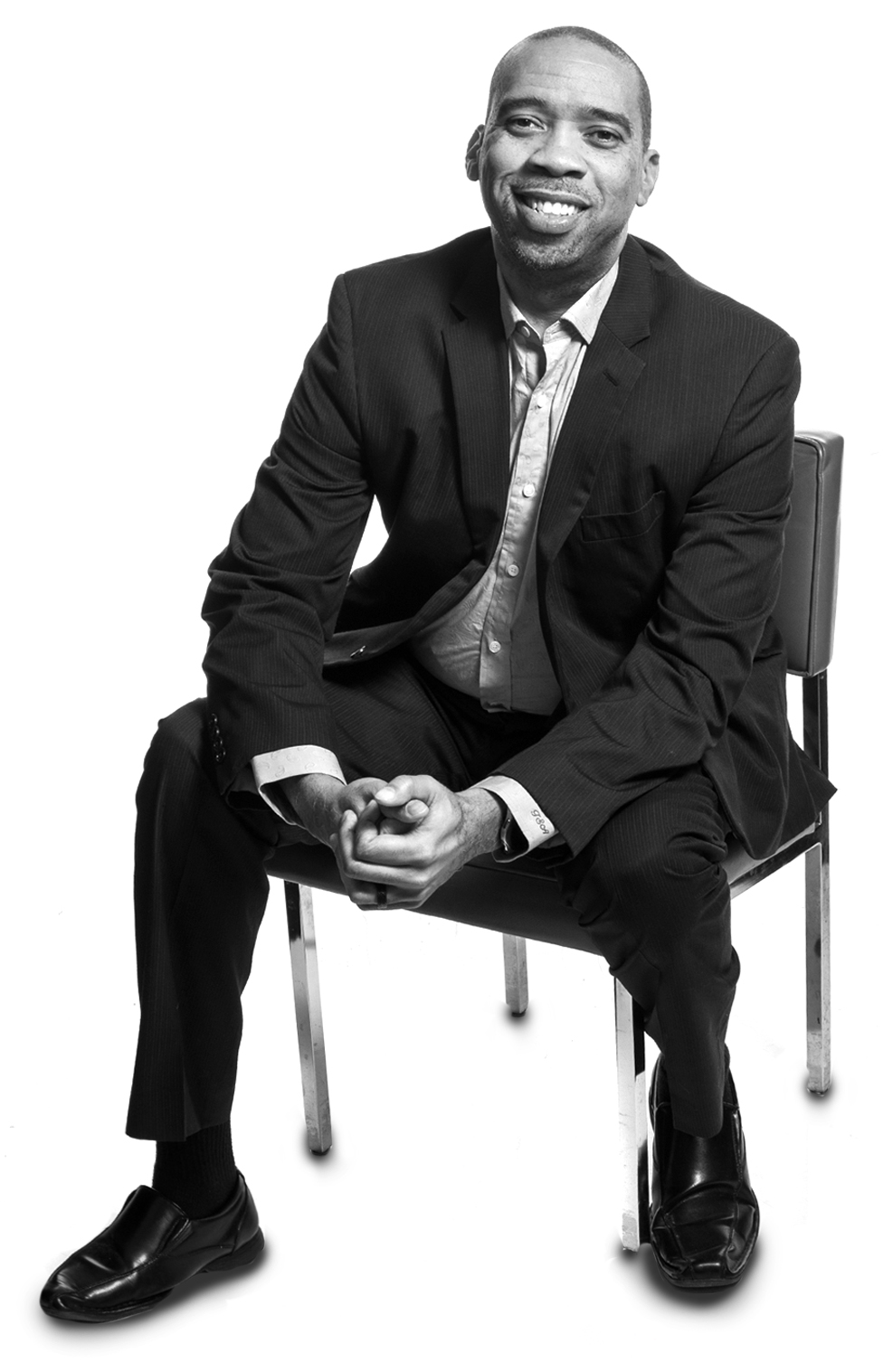
Over the years, Tahir’s commitment has led him to serve as an advocate, mentor, board leader, and fundraiser. Creating environments where people feel welcomed and valued has been a central theme throughout. “I think it still goes back to me being that kid on the playground, and wanting to create an inclusive space where people feel like they belong,” he said.
Those who work with Tahir recognize his aligned values and actions. “Tahir quickly connects with others, makes people feel seen and heard, and he is deeply committed to his community,” said Julie Donelon, MOCSA. While volunteering with MOCSA, Tahir led weekly youth discussions on bullying prevention, gender stereotypes, and healthy relationships. “Through his more than six years of service as a volunteer educator and advocate with MOCSA, I have witnessed his leadership and growth,” Julie added.
He has also supported literacy and civic efforts, served as a hospital advocate, and helped train law enforcement in sexual assault trauma-informed response. Tahir currently volunteers with Jackson County CASA, and he volunteered at Big Brothers Big Sisters Kansas City for 17 years, sharing meals and movie outings with Little Brother mentees, addressing situations around the juvenile justice system, and providing emotional support. “Tahir was the model to many for consistently living the values of empathy, encouragement, accountability, and compassion in action,” said Gene Willis, a fellow Rising Star and longtime colleague.
No matter how he helps, Tahir’s consistent focus is on making people feel like they belong. “It’s hard to feel like you belong if you don’t have a sense of pride about who you are and what you do,” he said. Tahir often speaks about what he calls “whole confidence.” It’s a way of carrying one’s self with humble self-assurance. “You can be humble and confident at the same time,” he said. “If you can move with humble confidence, I think that can sustain you in some pretty hard times.”
Of course, no journey is without its challenges. In his current role at the Midwest Innocence Project, Tahir works with individuals who have experienced unconscionable injustice. Their stories are profound examples of resilience and have influenced how he approaches his work. “One of the clients who we represented, Faye Jacobs, spent over 26 years in prison for a crime she didn’t commit,” he said. “Faye often says, ‘I want to be better, not bitter.’ When someone who has gone through that kind of trauma can be this grounded, and that full of light, it has really stuck with me.”
Embodying resilience is especially relevant now, as the non-profit sector faces ongoing uncertainty. “It feels very chaotic,” Tahir said. “Everything seems to be changing and shifting constantly.” In response, Tahir focuses on the responsibility he holds as a leader. “Everyone always says to plan for the worst and hope for the best, but I plan for the worst and plan for the best,” he said. “I have to make sure the people we serve always feel like the top priority.”
Extending upon his community focus, Tahir encourages others to contribute their time and talents. “If there is a charitable organization that you’re interested in, take the initiative,” he said. “Reach out to them and say, ‘can I volunteer my time, can I donate?’ Don’t let chaos paralyze you from taking action,” he added.
Tahir’s work is a perfect example of what consistent action can accomplish over time. Julie Donelon said, “He brings out the best in the people around him, and Kansas City is better because of the work he chooses to do.”
By Monica V. Reynolds
Photo Credit: Tom Styrkowicz
Featured in the May 16, 2026 issue of The Independent.
