


You shouldn’t listen to these composers just because they are women. You should listen to them because their music is brilliant, and because centuries of neglect by the classical community have pushed it aside until recently. Now that this music is being performed and recorded by the top musicians and ensembles of our day, the result is nothing short of a revelation. When the Philadelphia Orchestra recorded the Symphonies 1 and 3 of Florence Price in 2022, for example, the disc not only won the Grammy Award for Best Orchestral Performance, it also opened the door to a landscape of masterworks by a Black American woman of great gifts.
It turns out that women have been writing amazing music for centuries. We have chosen 12 to help kick-start your exploration, and we have directed you to some of their best-known works. Accessible on YouTube, Spotify, Apple Music, and/or other platforms.
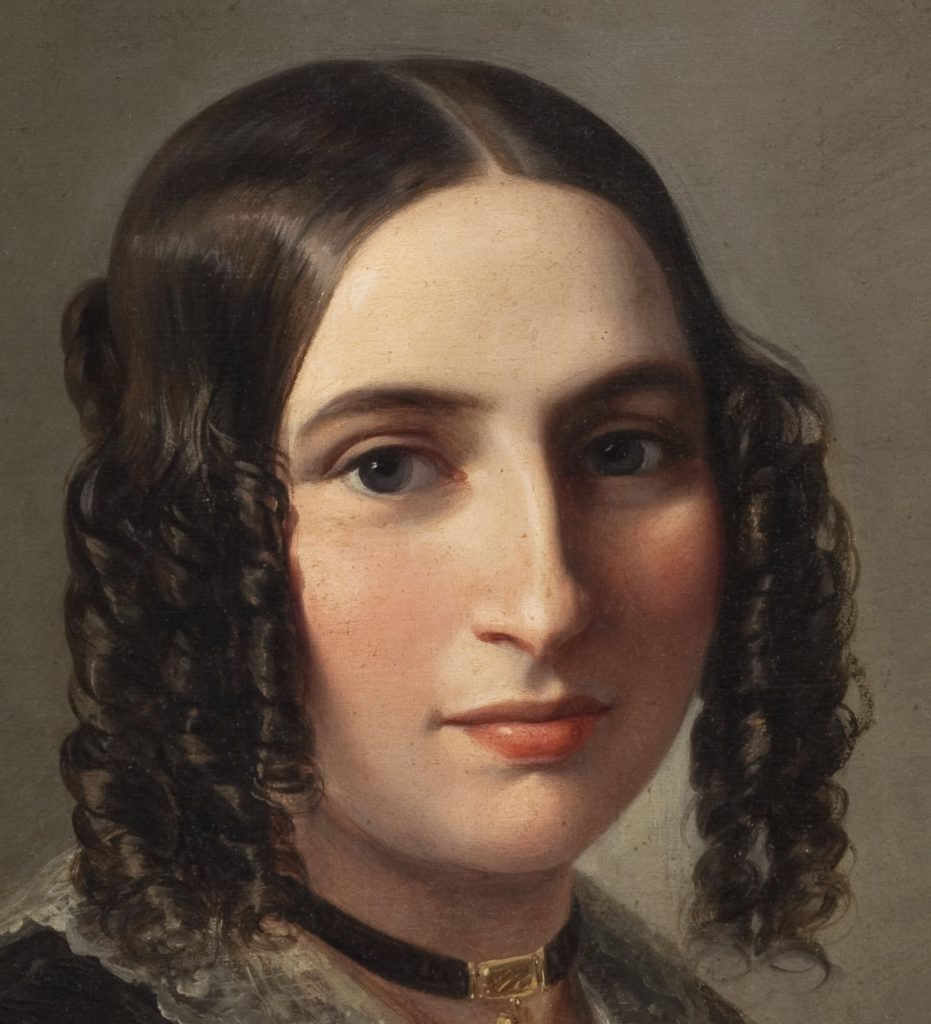
Fanny Mendelssohn (1805-1847) Yes, it is true that Felix Mendelssohn published some of his sister Fanny’s songs under his name, but it was not so much to deceive as it was to get these works to a public that probably would not have bought music by a woman. What matters today is that we can listen without prejudice to Fanny’s compositions (she wrote some 450 works) and bear witness to their genius.
Das Jahr, a cycle for piano (1841)
Piano Trio in D minor, Op. 11 (1846)
Six Songs, Op. 1 (1846)
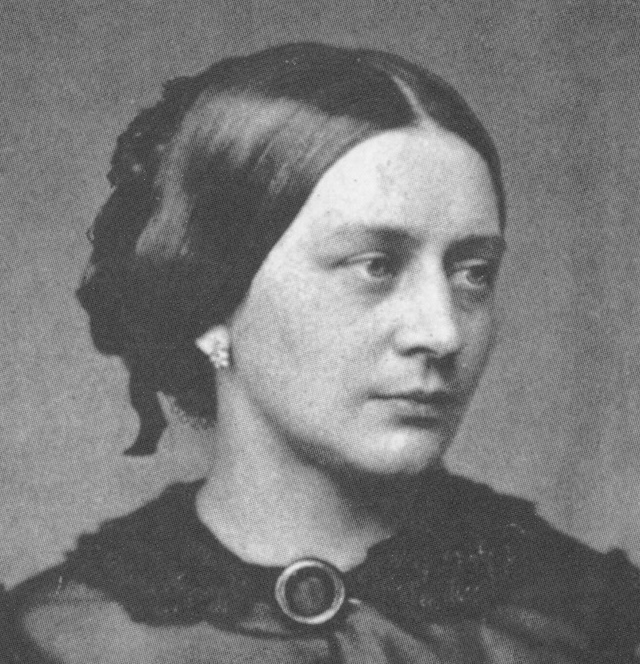
Clara Schumann (1819-1896) The wife of the celebrated Robert Schumann was one of the most important concert pianists of her day, known the world over; but while performing her duties as touring pianist and mother of eight (!), Clara managed to write some of the most remarkable music of the 19th century.
Piano Trio, Op. 17 (1846)
Variations on a Theme by Robert Schumann, Op. 20 (1853)
Three Romances, for Violin and Piano, Op. 22 (1853)
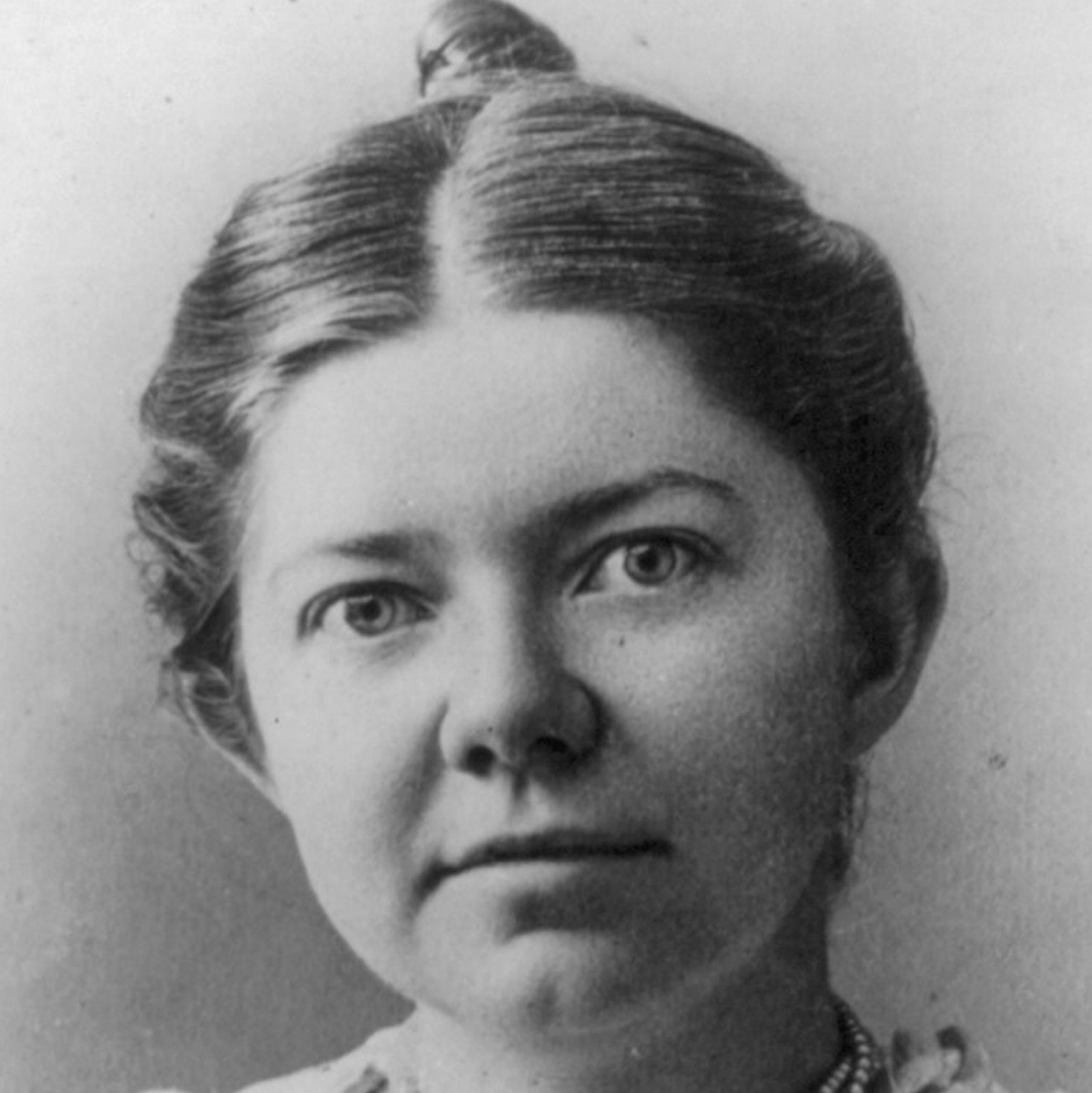
Amy Beach (1867-1944) This child-prodigy pianist performed with the Boston Symphony at age 16, married an older man, and became an exceptional composer—the first American woman to have a symphony published. Among her 300-plus late-Romantic masterworks is music that is easily as good as that of her male contemporaries.
Mass in E-flat major, Op. 5 (1892)
Symphony in E minor, Op. 32 “Gaelic” (1896)
Piano Quintet in F-sharp minor, Op. 67 (1907)
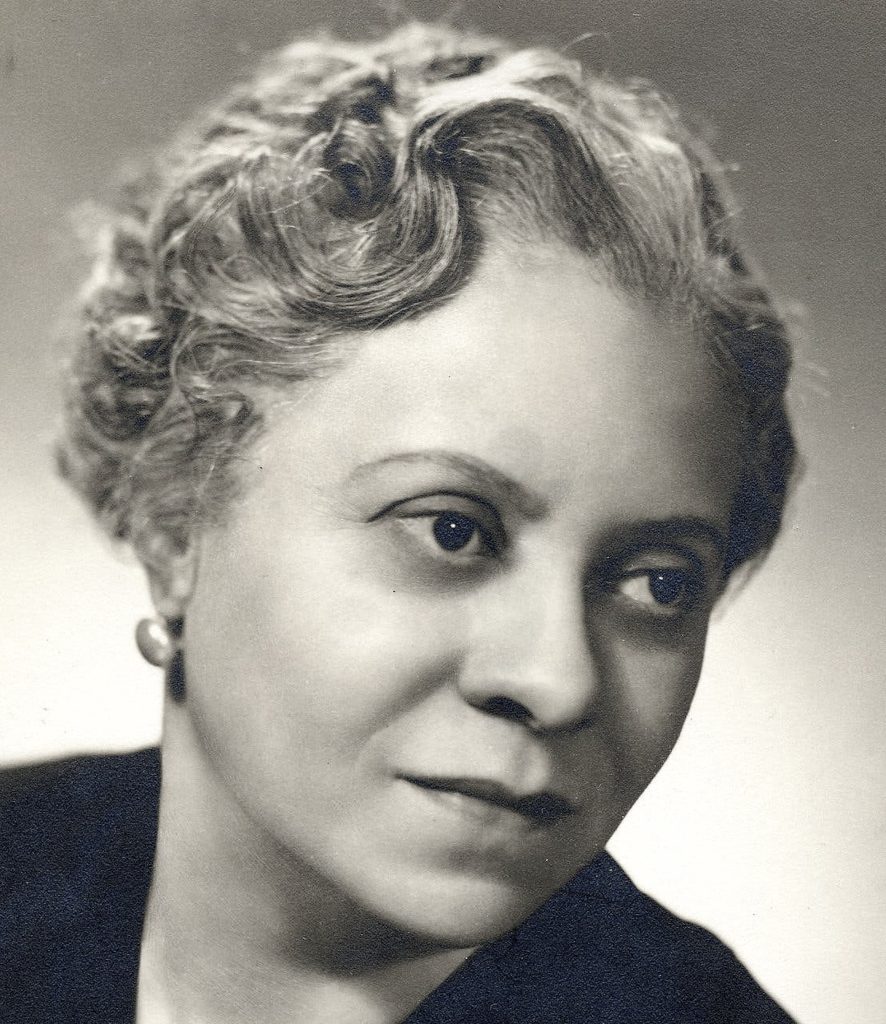
Florence Price (1887-1953) This Arkansas-born composer was the first Black woman who have a symphony premiered by a major orchestra (1932). “I have two handicaps—those of sex and race,” she wrote to conductor Serge Koussivitzky; she died largely forgotten, but the rediscovery of her brilliant music during the last quarter-century is one of the most joyous things to happen to American music in generations.
Symphony No. 1 (1932) and No. 3 (1940)
Piano Concerto (1934)
Violin Concerto No. 2 (1952, rediscovered in 2009)
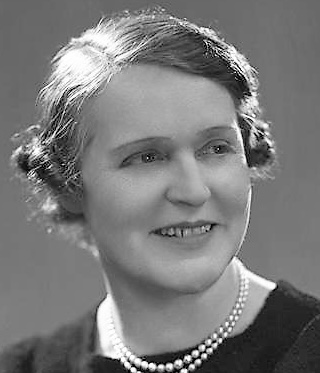
Germaine Tailleferre (1892-1983) She was famously one of the six French composers referred to as “Les Six,” and of course the only woman; she studied at the Paris Conservatory and composed hundreds of works—which range in style from post-Romanticism to Neoclassicism and even Modernism. If you don’t know her music, start with the Concertino: It is a delight.
Violin Sonata No. 1 in C-sharp Minor (1921)
Concertino for Harp and Orchestra (1927)
La Cantate de Narcisse (1938)
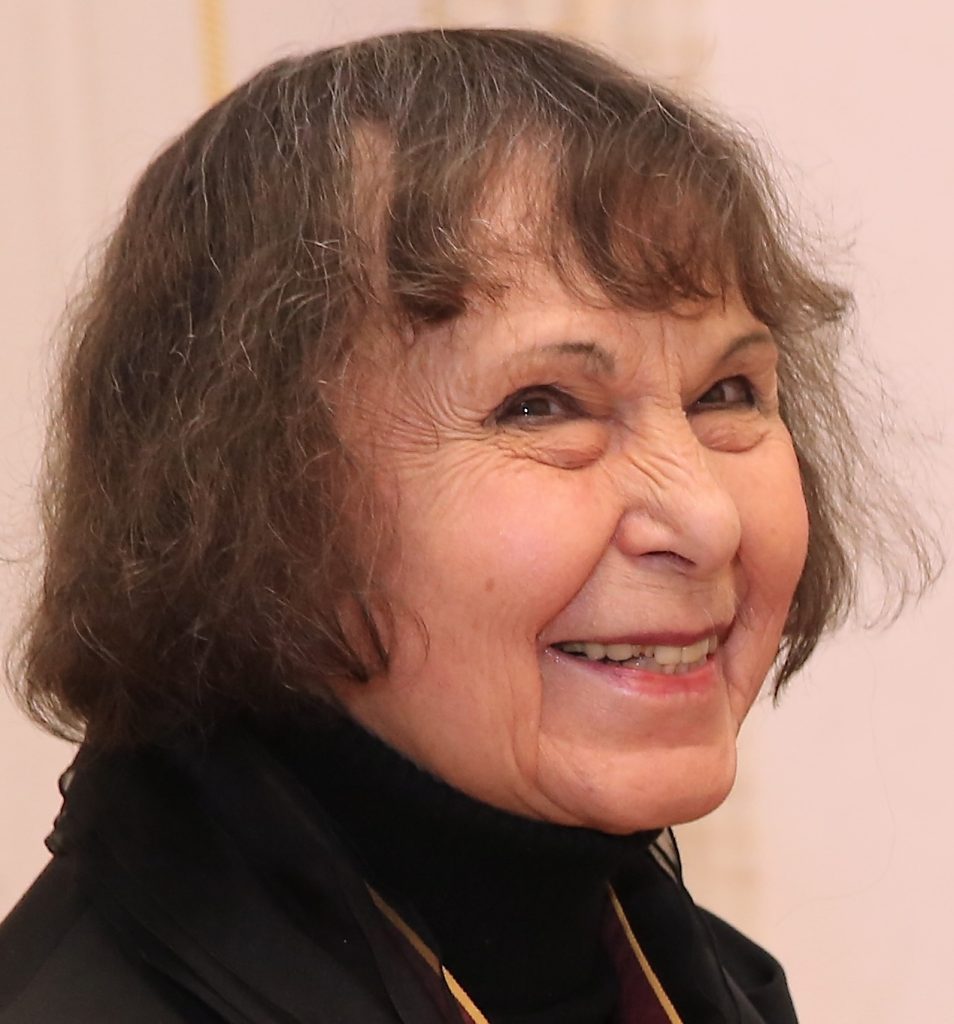
Sofia Gubaidulina (1931-2025) She bucked bravely against the Soviet system of her day, with music that was mystical, avant-garde, and often densely difficult; after emigrating to Germany in 1992, she came to be recognized as one of the forward-thinking modernists of our time, comfortable in the company of Arvo Pärt, Alfred Schnittke, and Edison Denisov.
Offertorium, for Violin and Orchestra (1980)
Viola Concerto (1996)
St. John Passion (2000)
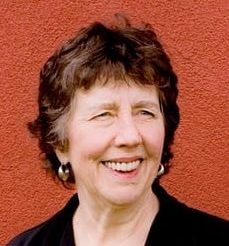
Joan Tower (b. 1938) This great pioneer of American music blazed trails for women of the late-20th and early-21st centuries; born in New Rochelle, New York, she spent part of her childhood in South America, which left its mark. She was the first woman to win the Grawemeyer Award; her music is brainy, lyrical, and gorgeously orchestrated.
Sequoia (1981)
Silver Ladders (1986)
‘Made in America (2005)
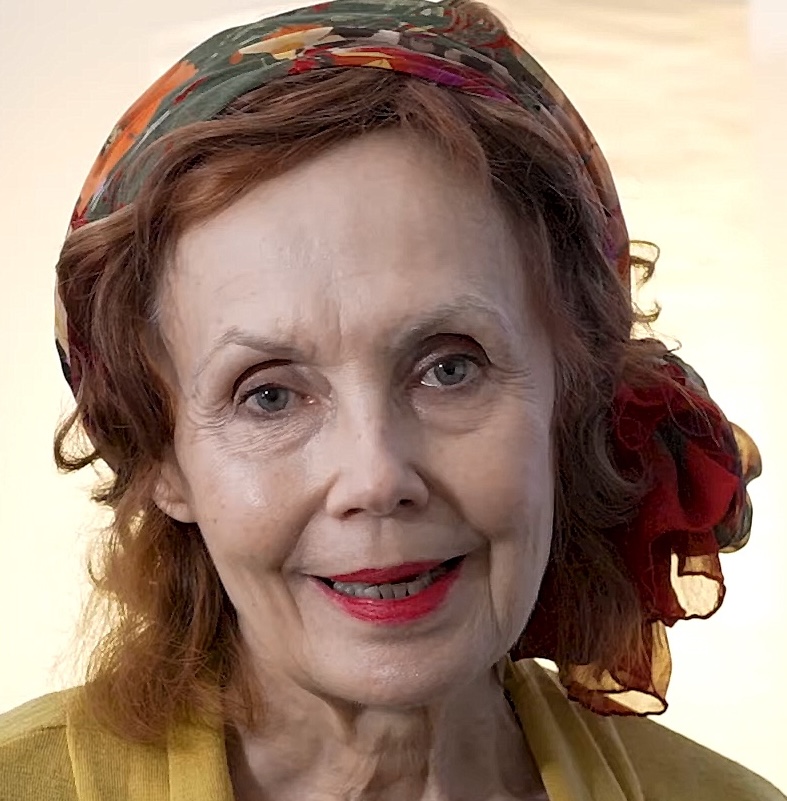
Kaija Saariaho (1952-2023) This Finnish-born maverick composed one of the most successful operas of the last century, L’Amour de loin (set in 12th-century Aquitaine) performed to great acclaim at the Metropolitan Opera; her extensive output often mixes lush tonality with electronic sounds and shows great sensitivity to melodism.
L’Amour de loin, opera (2000)
Orion, for orchestra (2002)
Notes on Light, for Cello and Orchestra (2006)
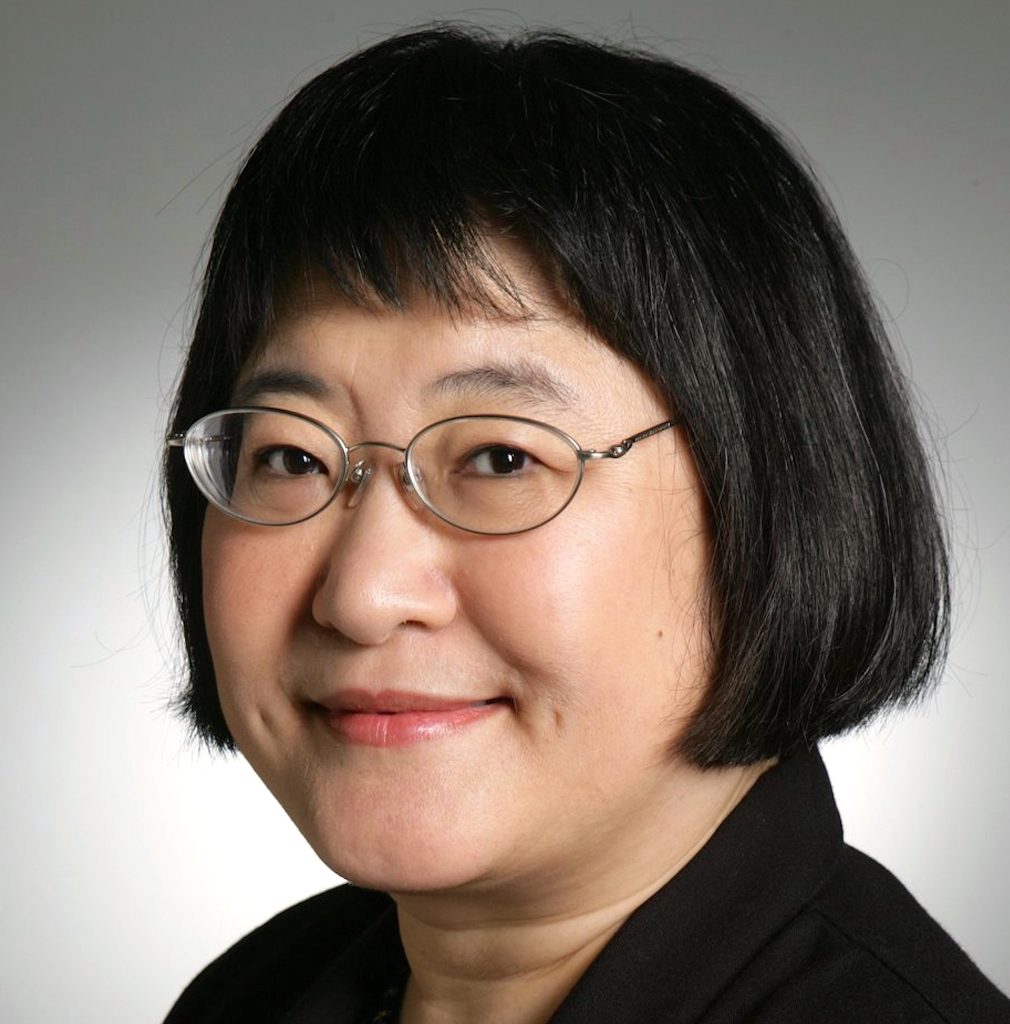
Chen Yi (b. 1953) One of the great innovators of our time, this pillar of the UMKC Conservatory faculty was among the first to study at Beijing Central Conservatory after the Cultural Revolution, and the first woman to earn a master’s degree; her delightful music mixes Chinese elements with “Western” styles, although each work is unique.
Feng Ya Song (1998)
Si Ji (Four Seasons) (2000)
Violin Concerto (2002)
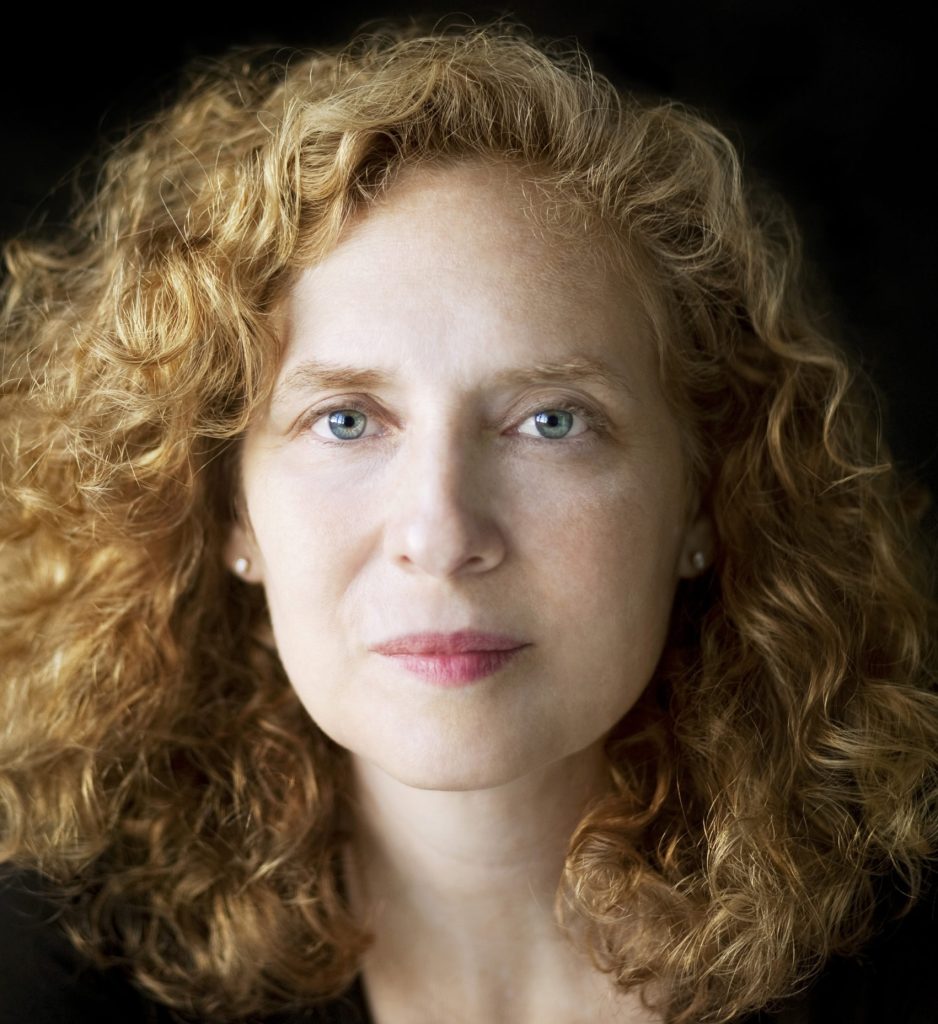
Julia Wolfe (b. 1958) Winner of both the Pulitzer and the MacArthur Foundation Prizes, she co-founded the influential Bang on a Can Ensemble; her works celebrate historical roots and burn bright for issues of social justice.
Anthracite Fields, for choir and chamber ensemble (2014)
Fire in My Mouth, for choirs and orchestra (2018)
Fountain of Youth, for orchestra (2019)
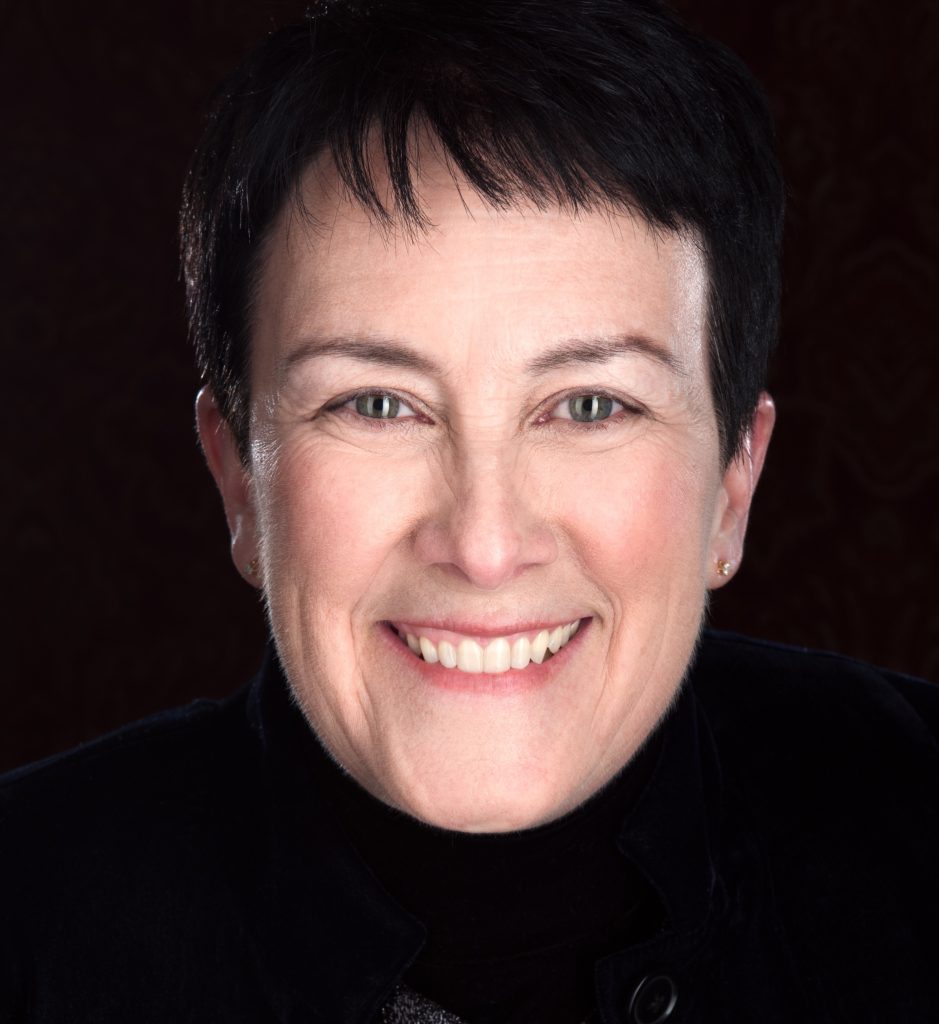
Jennifer Higdon (b. 1962) Born in Brooklyn but raised in the South, she has become one of the most influential musical figures of our time; a member of the Curtis Institute faculty for more that 25 years, she writes music that is deftly structured and dazzlingly appealing. She has won the Pulitzer Prize and many other awards.
Blue Cathedral (2000)
Concerto for Orchestra (2002)
Violin Concerto (2009)
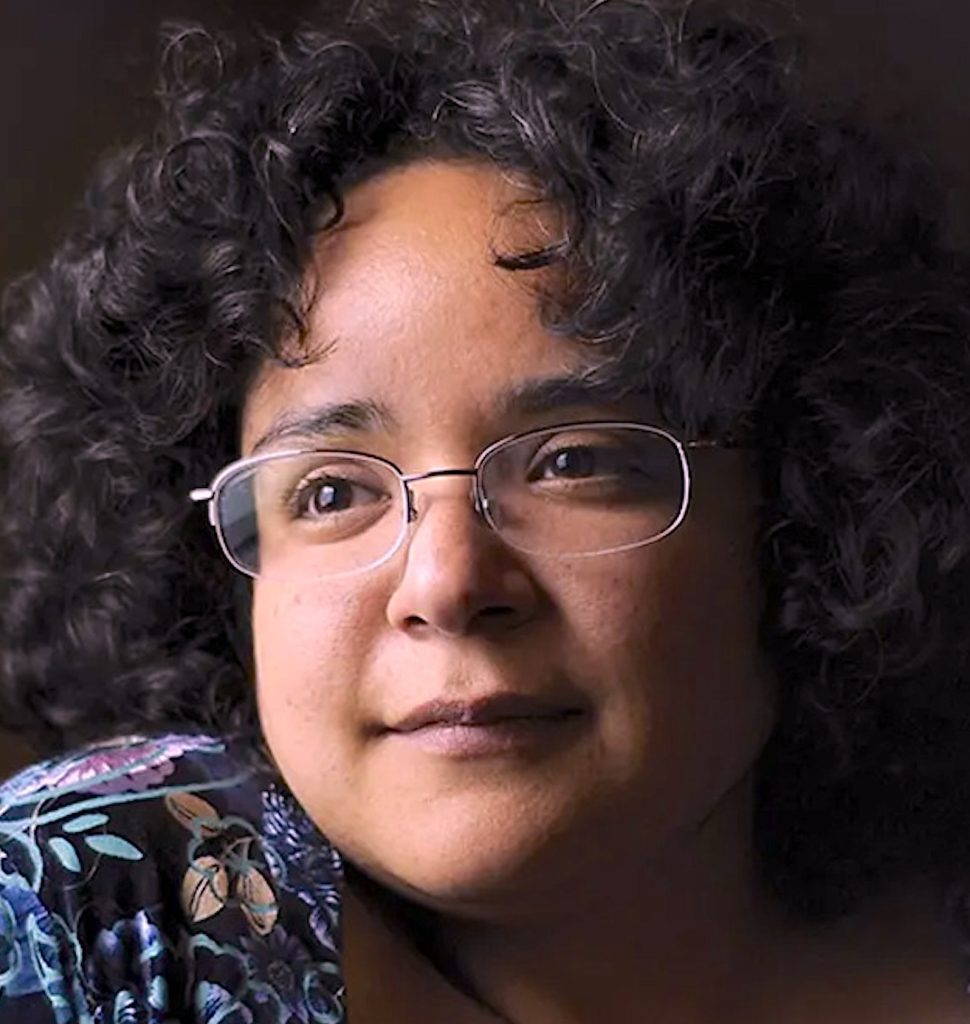
Gabriela Lena Frank (b. 1972) Born in Berkeley of Peruvian/Chinese, and Lithuanian/ Jewish descent, she writes music that explores this rich mix of cultural influences; her recent opera, El Último Sueño de Frida y Diego, will be performed this spring at the Metropolitan Opera.
Leyendas: An Andean Walkabout (2001)
Walkabout: Concerto for Orchestra (2016)
Las Cinco Lunas de Lorca, men’s chorus (2016)
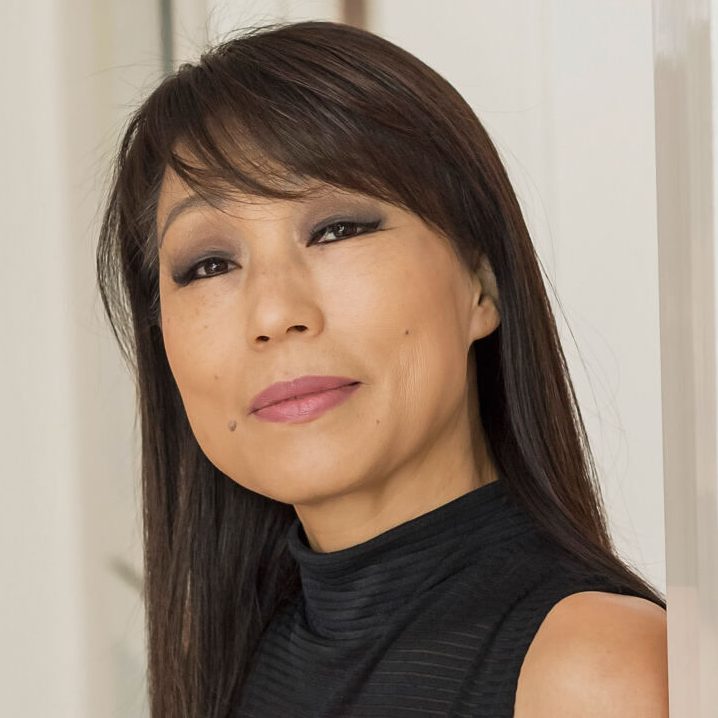
Others to explore:
Barbara Strozzi, Louise Farrenc, Lili Boulanger, Cécile Chaminade, Imogen Holst, Thea Musgrave, Ethyl Smith, Ellen Taaffe Zwilich, Augusta Read Thomas, Tania León, Shulamit Ran, Rachel Portman, Libby Larsen, Unsuk Chin, Gabriela Ortiz, Missy Mazzoli, Anna Clyne, Caroline Shaw, and Hildur Guðnadóttir.
