


Each June, thousands of people gather in Kansas City for PrideFest. It’s a weekend of music, entertainment, food, community, and one of the city’s largest annual parades. The public may view the experience as a fun, fleeting summer tradition, but behind the curtain organizers are on a mission of service. The goal each year is to create a space where the LGBTQ+ community can unite, gain visibility, and access vital support services.
In recent years, organizers have watched sponsorship dollars shrink as political debates surrounding diversity, equity, and inclusion initiatives have disrupted funding and donations for many LGBTQ+ organizations. According to James Moran, Our Spot KC; some longtime sponsors have stepped away entirely. Others have reduced contributions. Some continue to support the festival while privately requesting to eschew public acknowledgment.
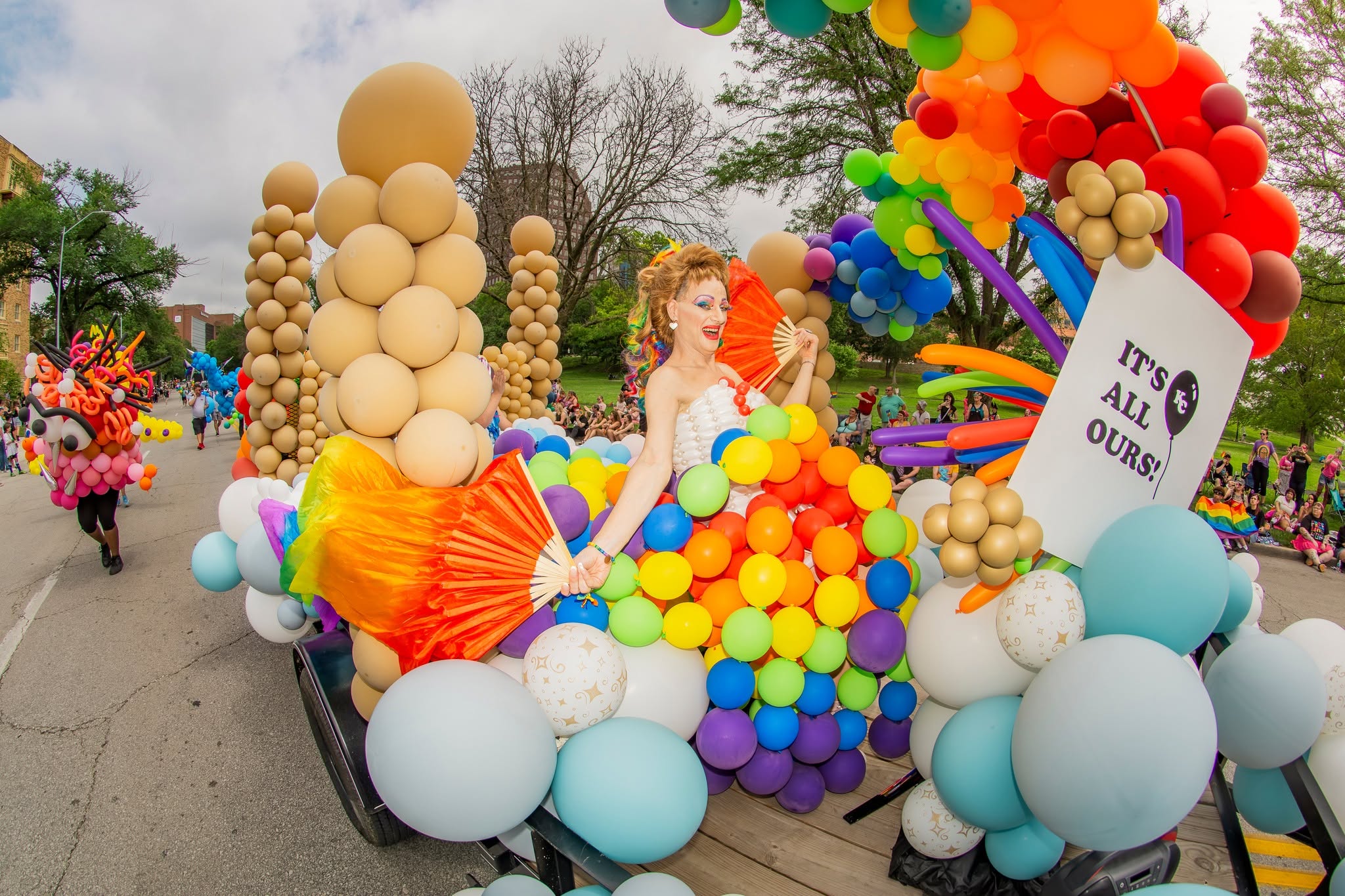
Meanwhile, demand for community resources has not disappeared. If anything, organizers say the need for connection, visibility, and support has become more evident. “We are facing some political headwinds these days, and being able to create a space where folks within the LGBTQ community know that they are loved and accepted and affirmed is really important, as those spaces are honestly disappearing,” James said.
Regardless, PrideFest has continued to grow in its support and offerings for the community. For James, the purpose of the festival is more than gathering for a fun weekend. “One of my favorite phrases to describe PrideFest is that it’s a party with a purpose,” he said. In certain circles, the phrase may be heard repeatedly in conversations about the event. Representing “the party” are stages, performers, food trucks, vendors, and a parade that featured approximately 130 entries this year.
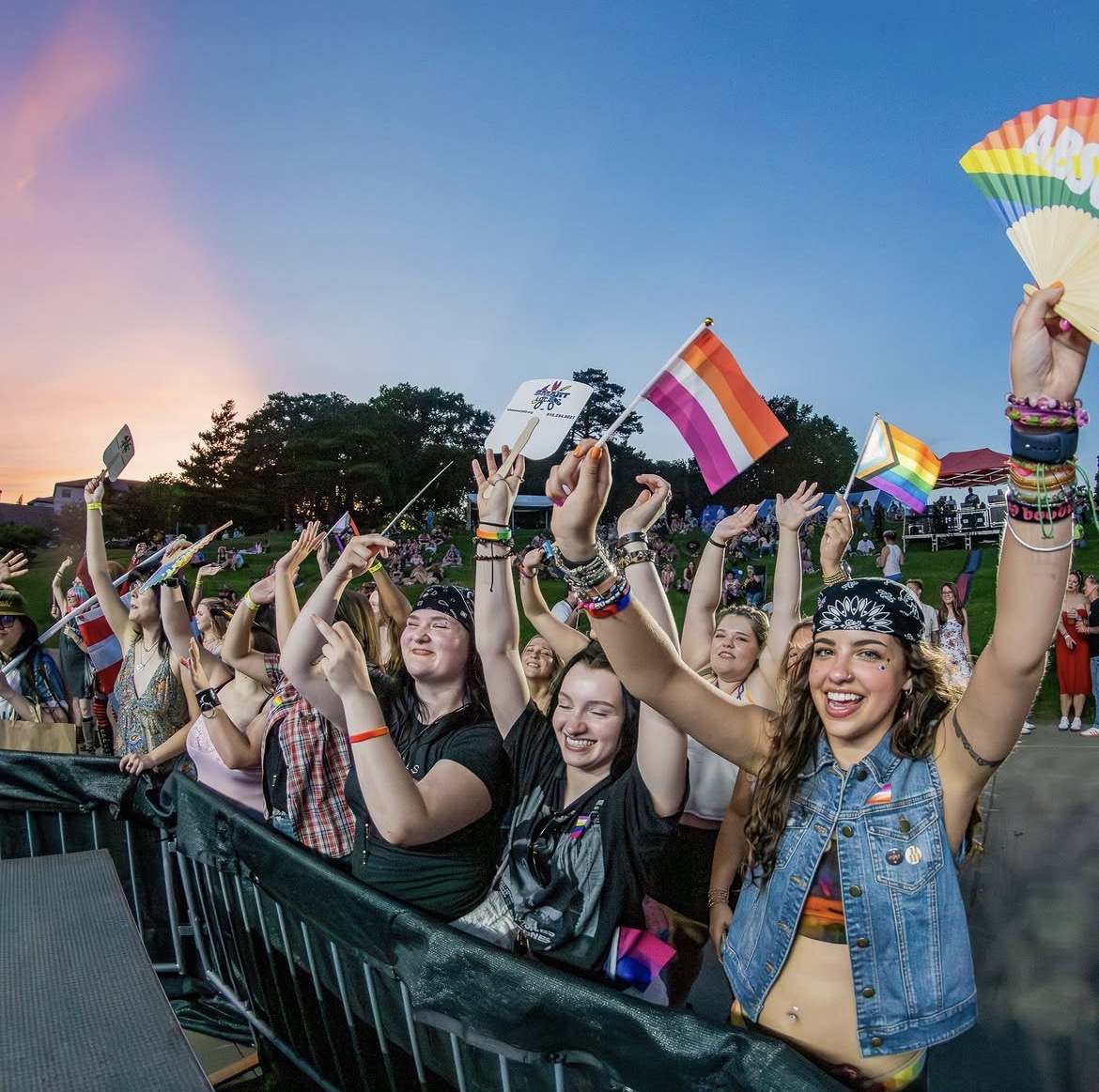
Beyond the celebration, community groups, businesses, houses of worship, government agencies, and non profits gathered to provide resources to improve everyday life for the LGBTQ+ community. “We don’t just want to celebrate,” James said. “We also want to make sure that we are connecting community members with the resources that we need.”
One of the most notable resources at the festival is the Health Village, which returned this June for its second year. Healthcare providers from Kansas City and beyond offered services ranging from STI testing and treatment, to blood pressure screenings, diabetes screenings, mammograms, and Narcan education. The goal of the Village is to provide a broader stable of health resources for the queer community. According to James, Pride-related healthcare services historically have centered around sexual health. Organizers recognized an opportunity to expand those offerings and address a wider range of concerns affecting community members and families.
In addition, the Wellness Tent offered a holistic brand of support where mental health professionals, wellness practitioners, yoga instructors, massage therapists, and Reiki practitioners were represented. Together, the Health Village and Wellness Tent are signposts for how PrideFest has evolved over the years. “What gets me about PrideFest these days is that it is for the purpose of serving the community, not just celebrating it,” James said.
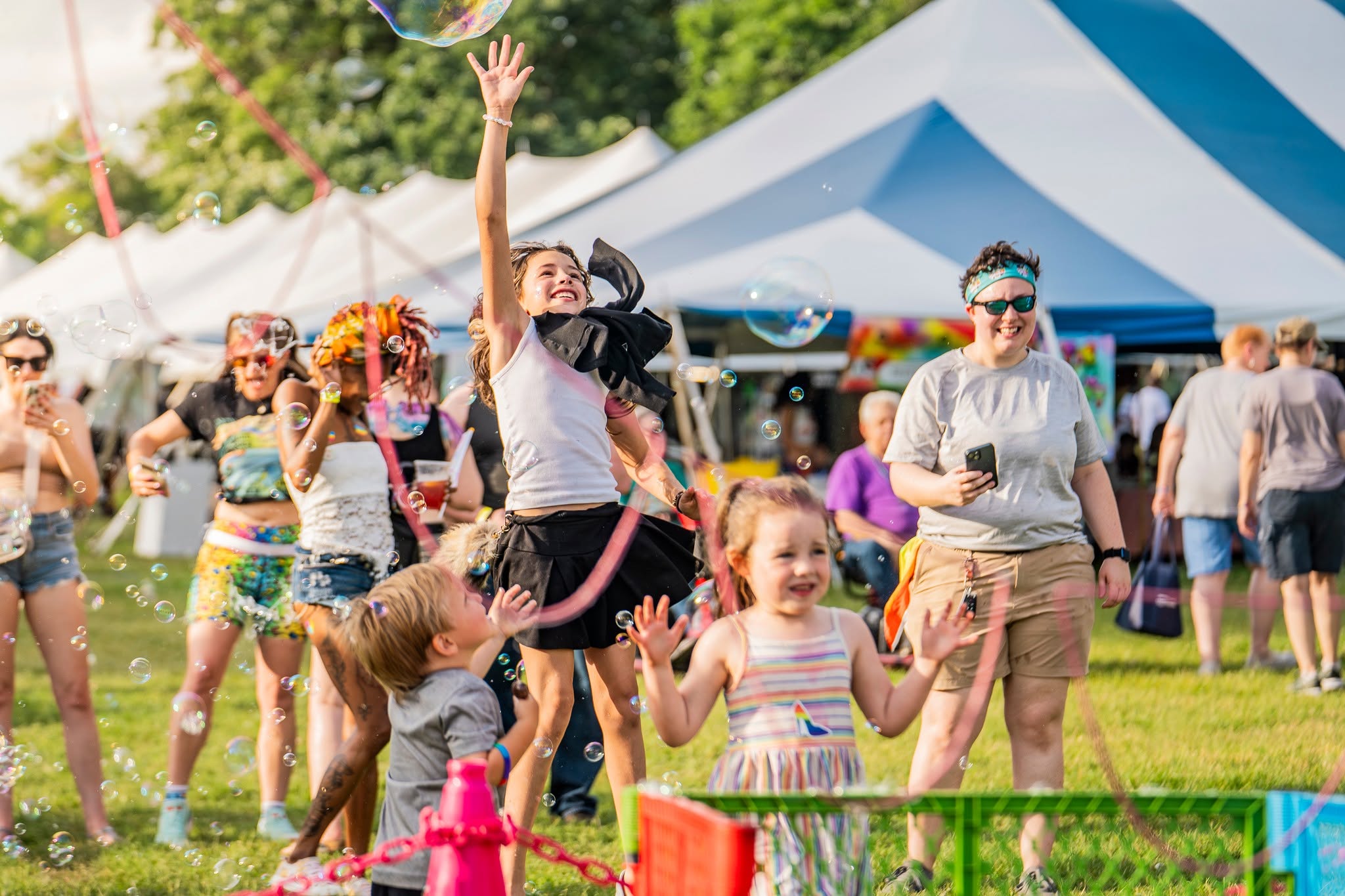
This current version of PrideFest resulted from conversations that took place during the COVID era. Those discussions eventually contributed to the formation of the Kansas City Pride Community Alliance and a broader vision for what PrideFest could become. As a result, the event has expanded its emphasis on education, resources, and community engagement. Organizers have now included opportunities for people at every stage of life to participate. This year, teenagers enjoyed a dedicated substance-free space featuring youth-serving agencies, snacks, beverages, and a silent disco. Similarly, families with younger children were provided access to targeted amenities including nursing stations, changing areas, and family-oriented programming.
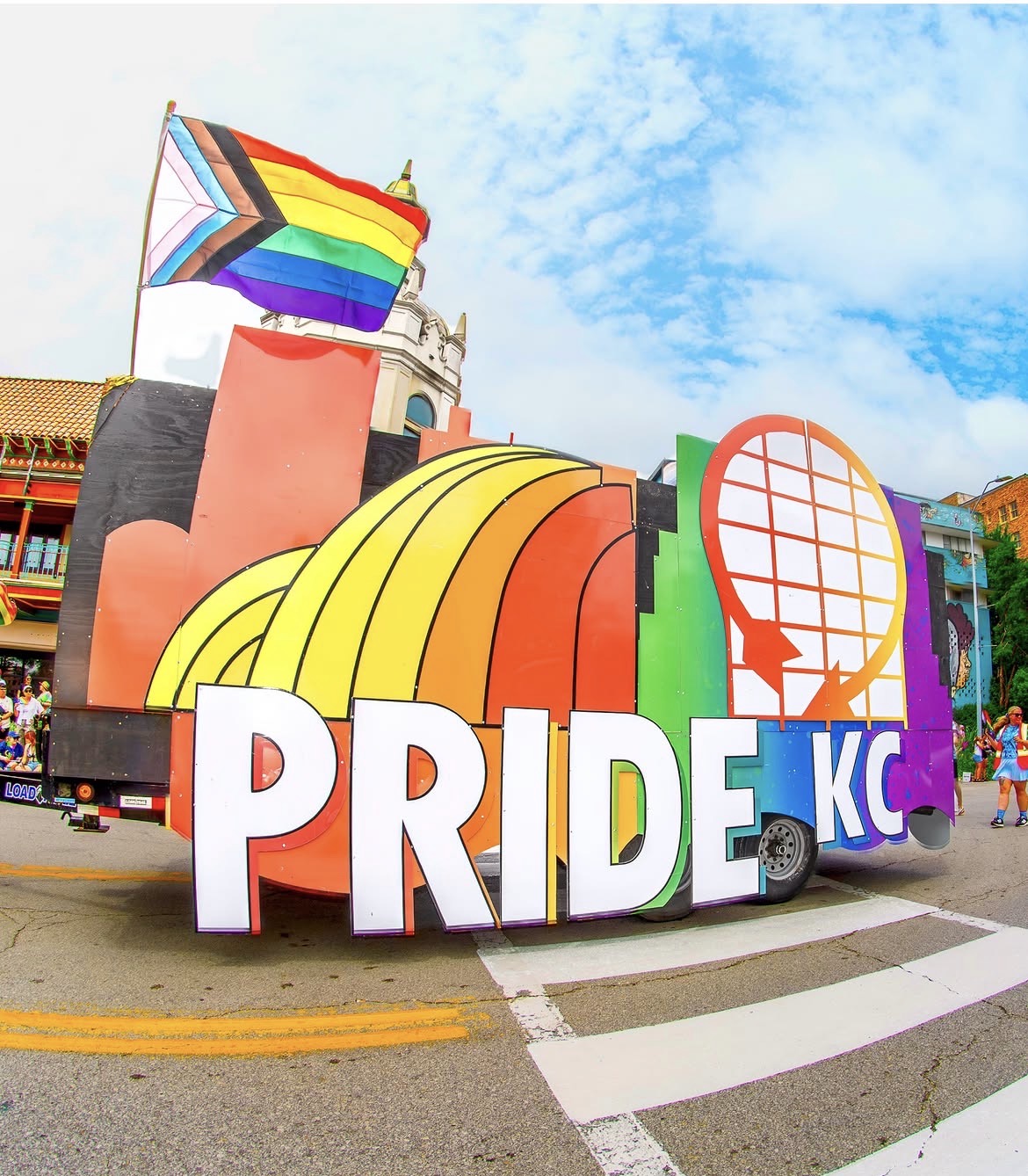
Additionally, this year marks the first official PrideFest season following the merger between KC Pride and Our Spot KC. James noted the partnership formalized a relationship that had already developed through years of collaboration. Our Spot KC provides year-round services that include housing support, food assistance, clothing resources, support groups, financial assistance, and LGBTQIA community programming. The two organizations strengthen one another.“PrideFest literally could not happen without the backbone of Our Spot KC behind it,” James said.
The scale of the festival requires nearly constant planning, leading James to call it a “year-round event.” Preparation begins just a few weeks after each year’s festival concludes. Committees and volunteers spend months coordinating everything from entertainment and vendor applications to permits, public safety planning, and infrastructure. Attendees may never notice the countless decisions required to transform a public park into a multi-day festival capable of welcoming thousands of visitors. The event has grown into the largest annual parade in Kansas City, requiring coordination with city departments, neighborhood organizations, transportation officials, and public safety agencies. This year, planners even adjusted the route to accommodate the opening of the KC Streetcar’s southern extension.
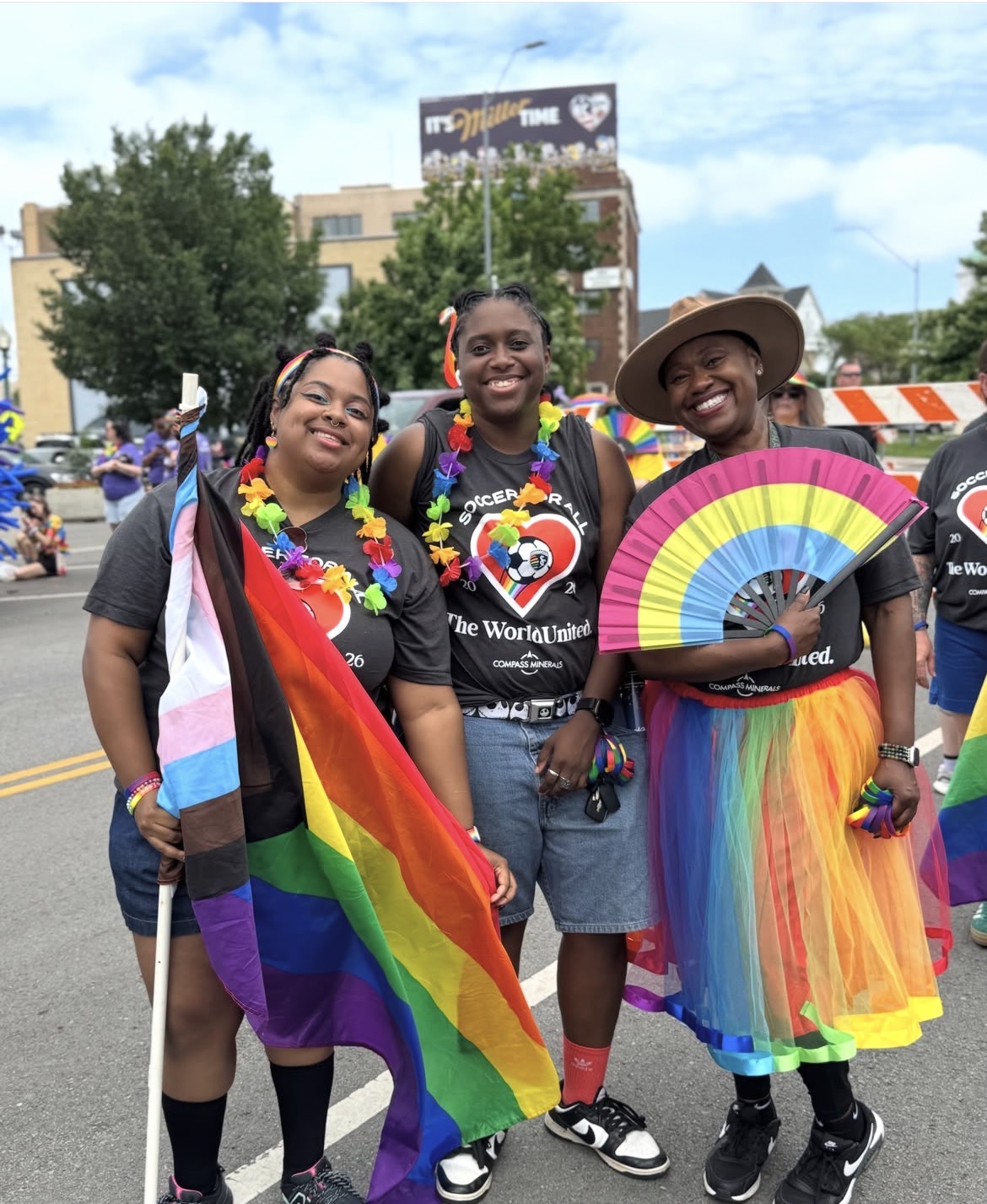
Visibility carries more meaning than pageantry and spectacle. When healthcare systems, businesses, and public institutions participate, attendees can identify allied organizations that support the community. “When I see a hospital system marching in the parade, I know that I’m probably going to be acknowledged as an LGBTQ person if I need to walk through those doors for any reason,” James said.
With all of its efforts and fanfare, financial challenges for the festival remain a reality. Organizers estimate the event costs approximately $500,000 to produce, yet funding has not kept pace. “We’ve taken a major hit on sponsorships,” James said. “Sponsors we had ordinarily been able to count on say that they are not able to do it. For others, their donation may be as low as 10 percent of what it has been in the past.”

Even so, planning continues. Volunteers continue to lend their time and talents, community members continue to participate and pour out joyful revelry, and organizations continue to offer services. The result is a festival that is part celebration and part public service. It’s all at once a gathering, a resource fair, a health initiative, a family event, and a public expression of support.
PrideFest is cultivated and sustained through consistent effort, often long before the crowds arrive and long after they leave. “I think ultimately our community will always be able to come together and support one another in these ways,” James said. “We can all count Pride as a success if we still get to celebrate, right?”
Featured in the June 27, 2026 issue of The Independent.
By: Monica V. Reynolds
