


With the upcoming film adaptation of Sunrise on the Reaping already generating excitement among fans of The Hunger Games, dystopian fiction is having another major moment. There’s something endlessly compelling about stories that imagine societies pushed to extremes, whether through authoritarian governments, environmental collapse, corporate greed, surveillance technology, or entertainment built on human suffering. The best dystopian novels don’t just create frightening futures; they reflect the anxieties of the present, holding up a distorted mirror to the world we already live in. Some are fast-paced and brutal, others quiet and haunting, but all of them ask difficult questions about power, freedom, and survival. If the dark political spectacle and emotional intensity of Panem have you looking for your next unforgettable read, these recent dystopian novels deliver imaginative worlds, sharp social commentary, and plenty of unease.
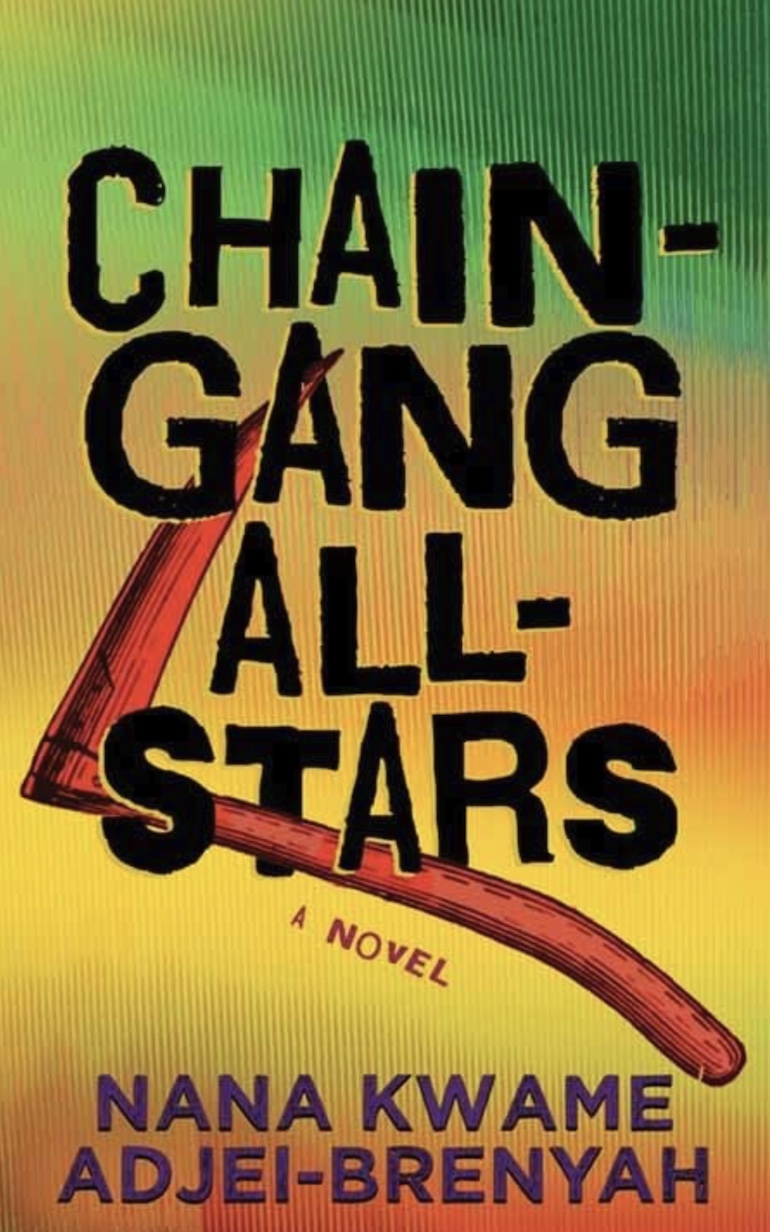
Chain-Gang All-Stars by Nana Kwame Adjei-Brenyah
In a near-future America, incarcerated people compete in televised death matches for the chance to earn their freedom. The novel follows fan-favorite fighters, Loretta Thurwar and Hurricane Staxxx, as they struggle to survive a system designed to profit from violence and suffering. Brutal, emotional, and sharply satirical, the book examines the prison-industrial complex and America’s obsession with spectacle.
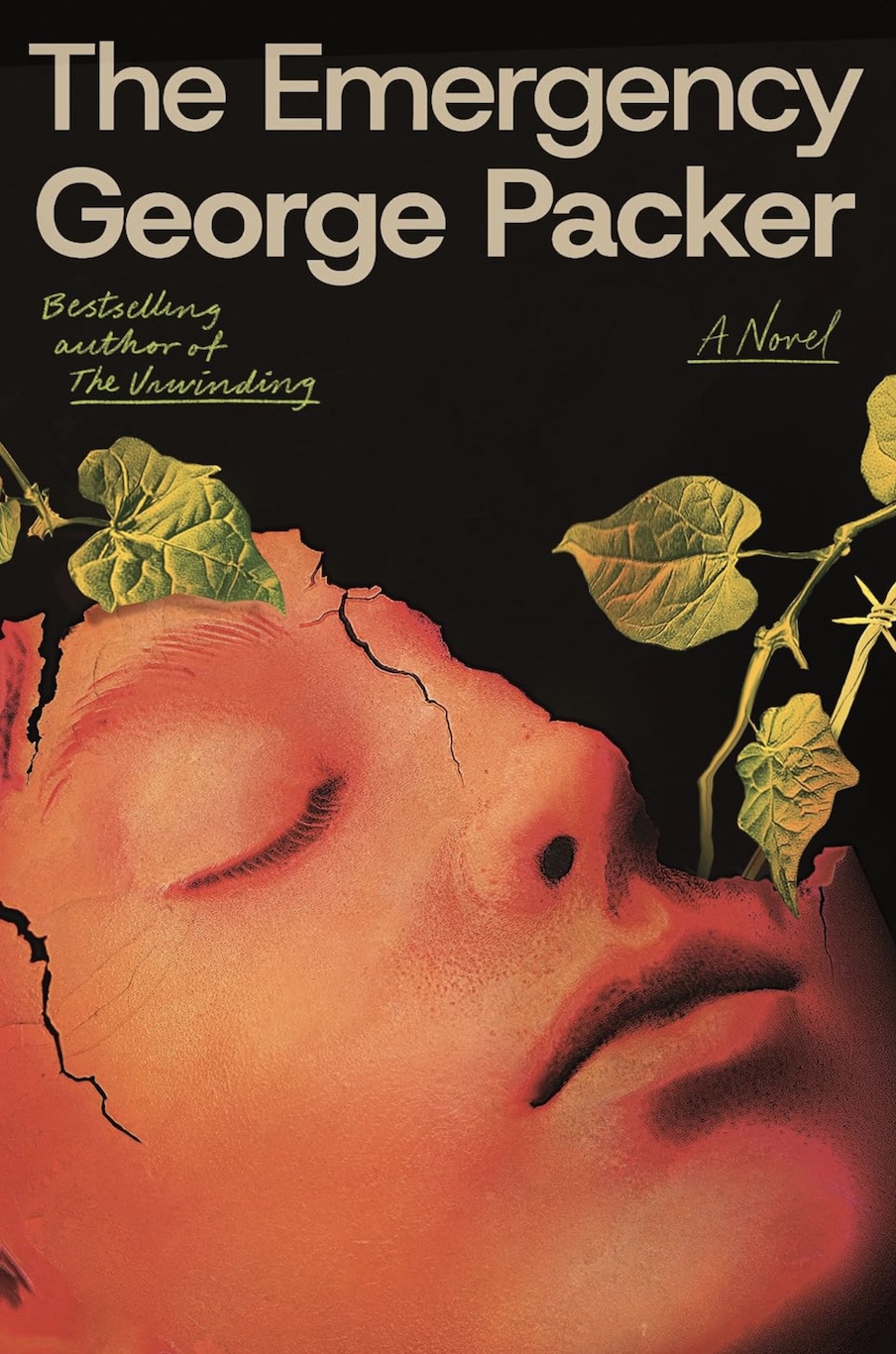
The Emergency by George Packer
Set in the aftermath of a collapsing empire, The Emergency follows surgeon Dr. Hugo Rustin as society fractures into warring ideological groups and familiar institutions begin to disappear. As youth rebellions reshape the political order, Hugo becomes increasingly alienated from both his family and the rapidly changing world around him. The author uses this dystopian landscape to explore class conflict, generational divides, and what remains of human connection when a society loses faith in itself.
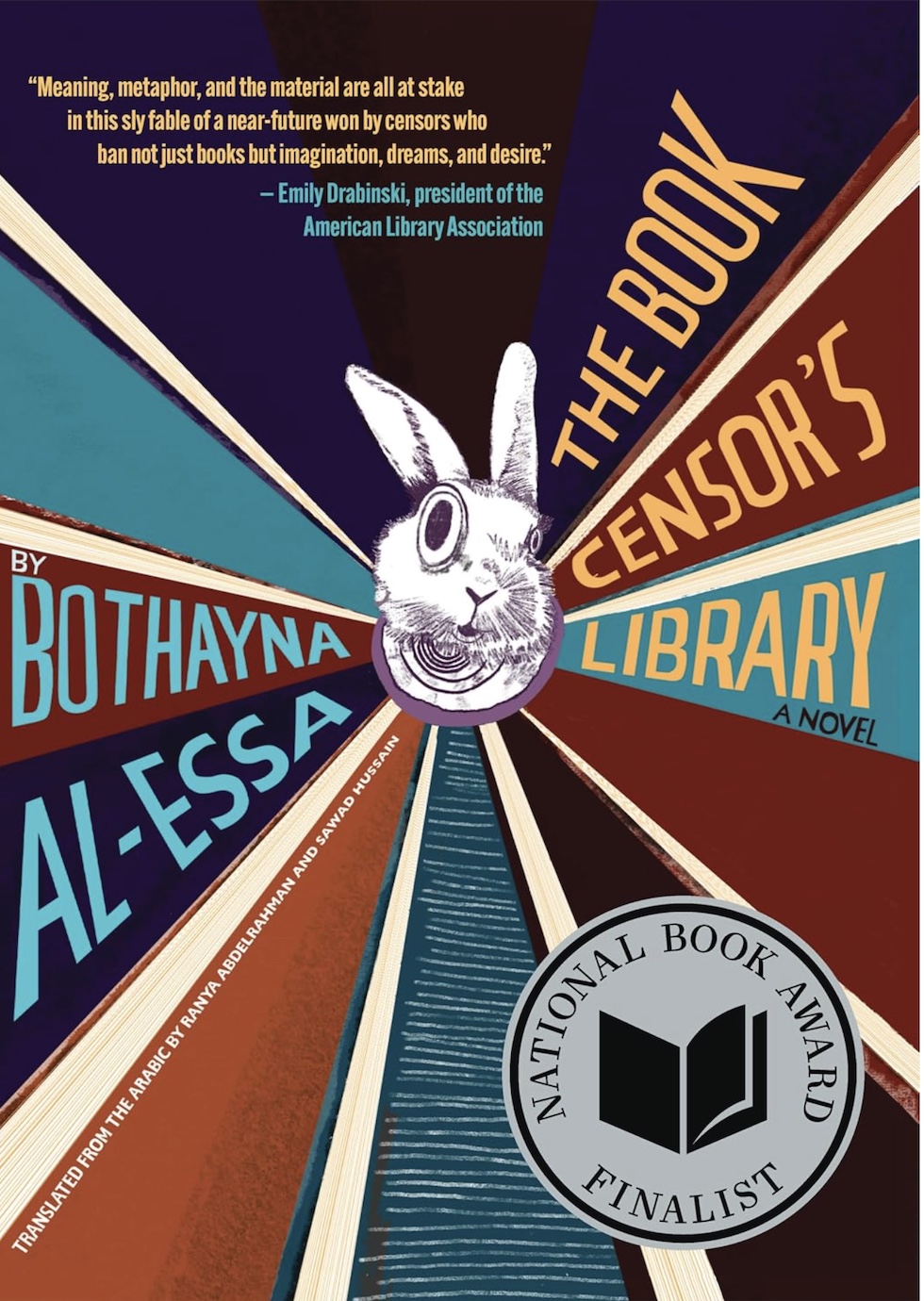
The Book Censor’s Library by Bothayna Al-Essa, translated by Ranya Abdelrahman and Sawad Hussain
This novel imagines a society where books are heavily censored and literature itself is treated as dangerous, but a government censor assigned to destroy forbidden texts gradually becomes captivated by the stories he reads in secret. Bothayna creates a clever and deeply relevant dystopia about authoritarianism, censorship, and the power of imagination.
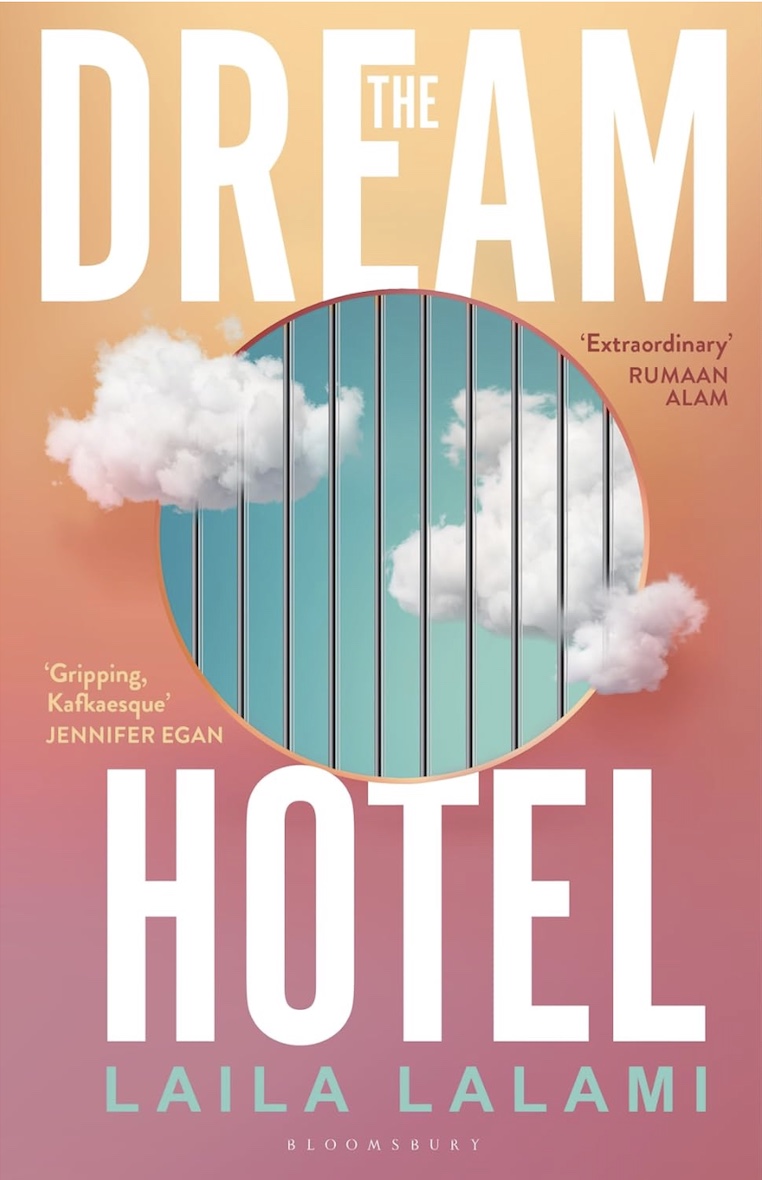
The Dream Hotel by Laila Lalami
In this unsettling future, technology can monitor and analyze people’s dreams, turning even private thoughts into exploitable data. Laila explores surveillance culture, corporate overreach, and the erosion of personal freedom through an intimate and emotionally grounded story. The premise feels chillingly plausible in an era already shaped by constant digital monitoring.
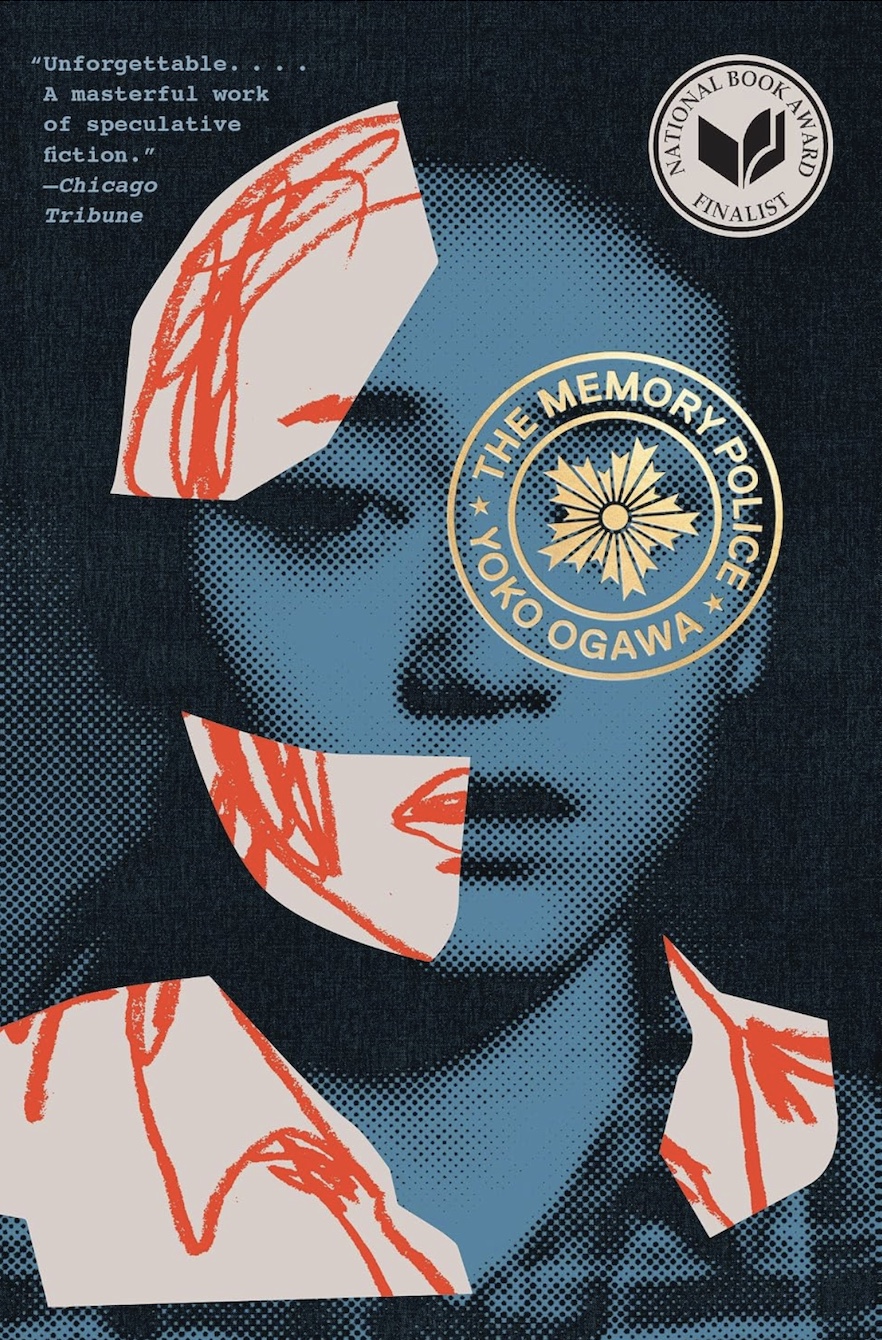
The Memory Police by Yōko Ogawa, translated by Stephen Snyder
On a mysterious island, objects regularly disappear, and once they do, citizens lose all memory of them. The authoritarian Memory Police enforce these disappearances, hunting down anyone capable of remembering what has been erased. Quietly devastating and deeply atmospheric, the novel becomes a powerful meditation on censorship, memory, and loss.
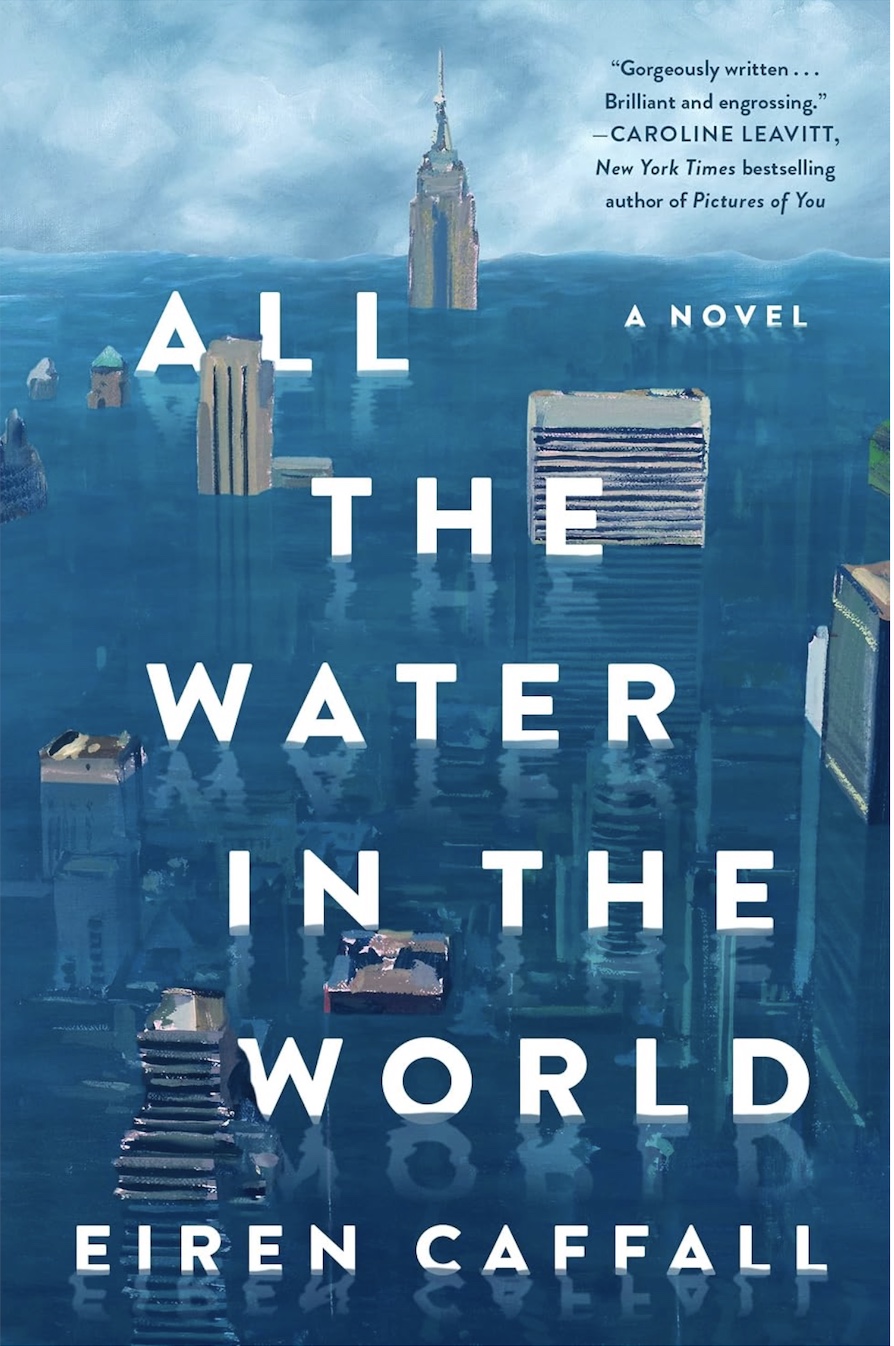
All the Water in the World by Eiren Caffall
Climate disaster shapes this haunting story about survival in a flooded and collapsing world. As communities struggle to preserve culture and human connection, the novel explores what people choose to save when everything familiar begins to disappear. Eiren balances environmental devastation with moments of tenderness and resilience.
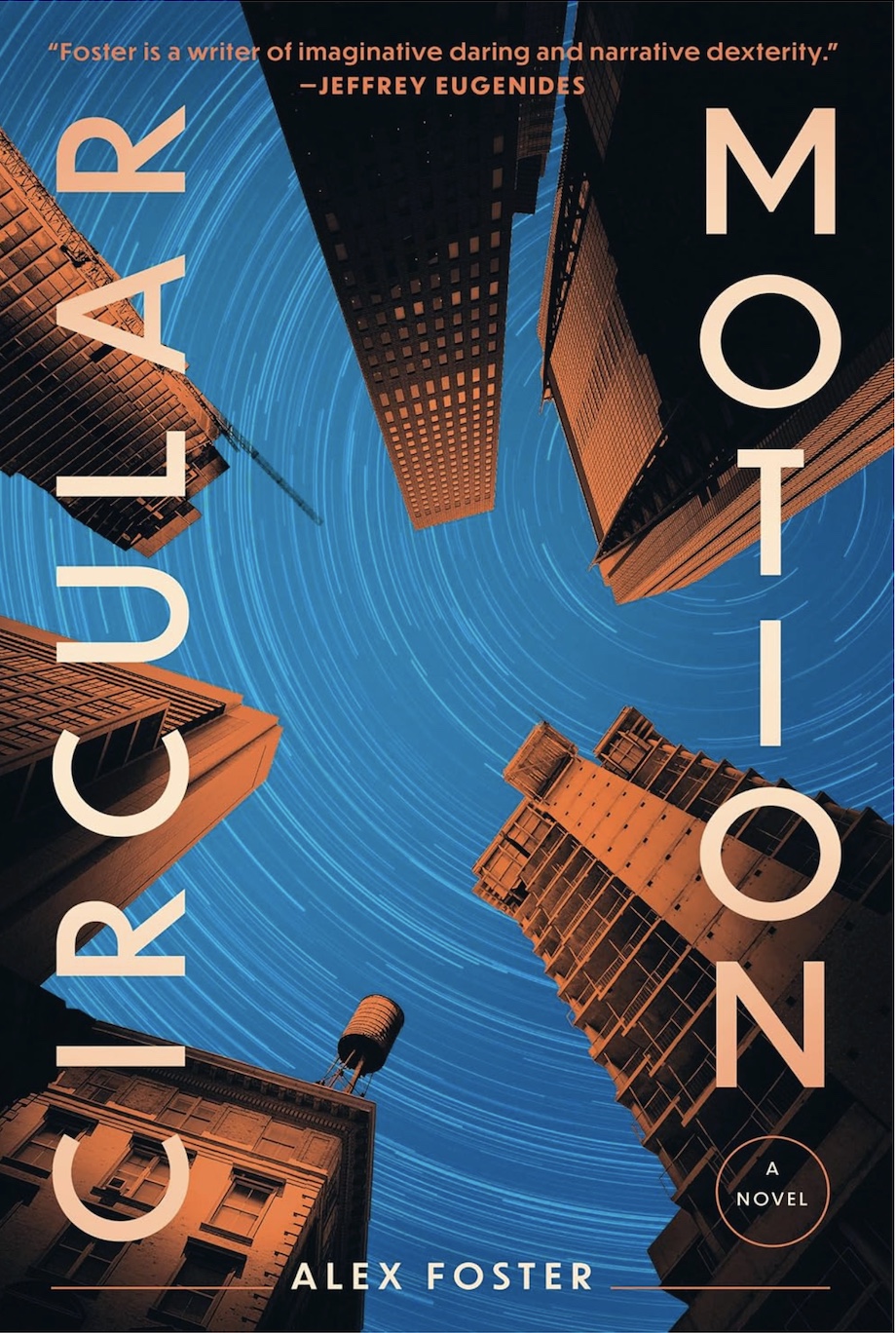
Circular Motion by Alex Foster
Circular Motion imagines a world where Earth’s rotation is accelerating, causing days to shorten and creating chaos. The novel follows two protagonists as they navigate their own personal crises and their search for belonging. Thorough and meticulous, the writing feels controlled and yet experimental.
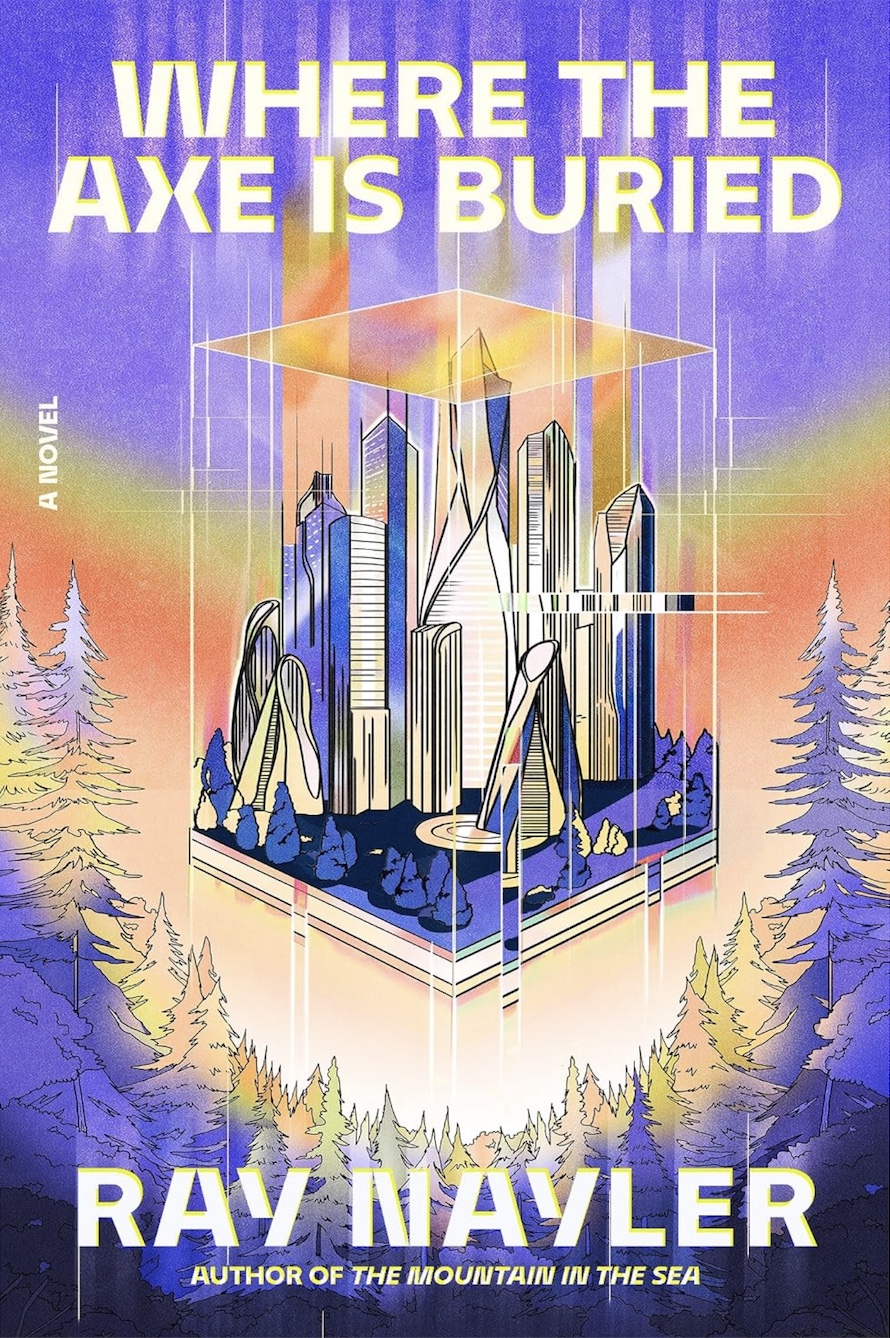
Where the Axe Is Buried by Ray Nayler
Ray crafts a tense dystopian world shaped by surveillance, authoritarianism, and ideological control. The novel examines the personal cost of resistance in societies where technology strengthens political oppression rather than dismantling it. Thoughtful and morally complex, it’s ideal for readers who enjoy philosophical speculative fiction.
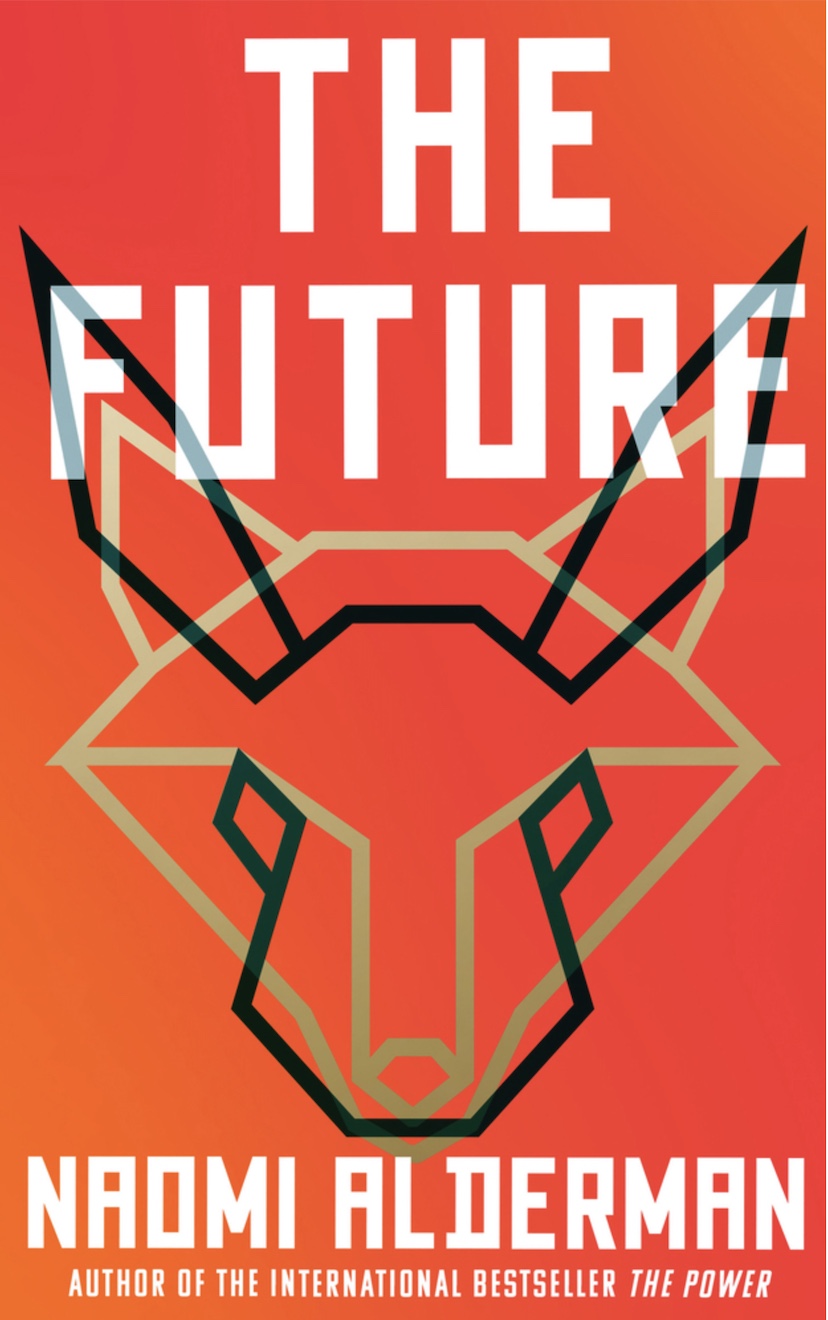
The Future by Naomi Alderman
In The Future, billionaire tech leaders prepare for civilization’s collapse while continuing to profit from global instability. Naomi blends dark humor with sharp social commentary, skewering Silicon Valley culture and survivalist fantasies. Fast-paced and unnervingly believable, the novel asks who gets to survive when the world falls apart.
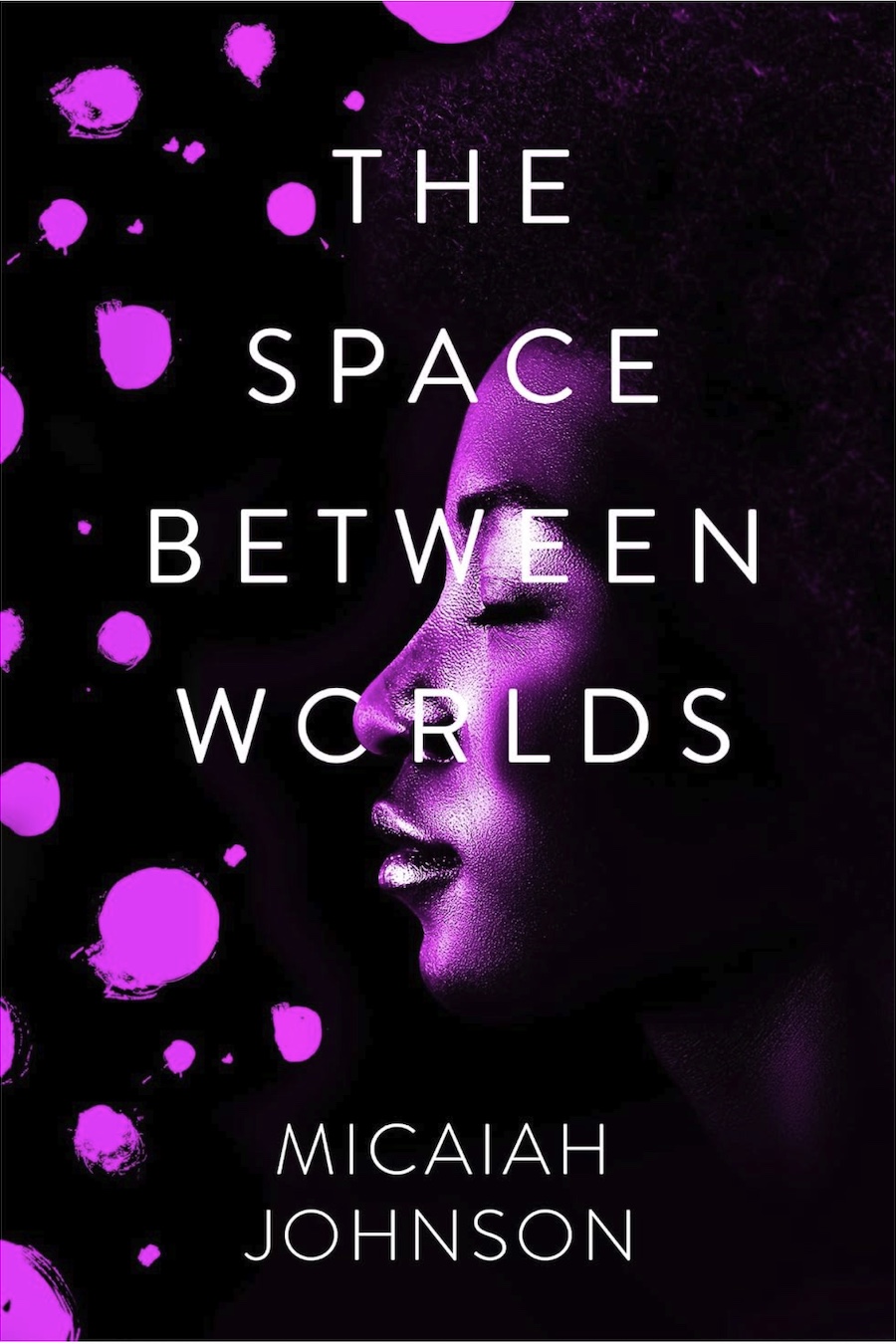
The Space Between Worlds by Micaiah Johnson
This inventive dystopian science-fiction novel centers on multiverse travel, where people can only visit realities in which their alternate self has died. Cara, the protagonist, becomes valuable precisely because versions of her have perished across countless worlds shaped by inequality and violence. Micaiah uses the multiverse concept to explore class, identity, and survival in deeply human ways.
Featured in the September 5, 2026 issue of The Independent.
