


There is a lot happening at the Kemper Museum of Contemporary Art right now, and much of it seems designed to prompt something that feels radical in 2026: slowing down and actually looking. That idea runs through the museum’s current exhibition, Lie. Sit. Stand. Be Still., which turns the Kemper’s collection into an invitation to pause, as well as the upcoming, Barbara Takenaga: Awestruck, a survey of an artist whose mesmerizing creations reward the kind of sustained attention that contemporary life tends to discourage. Together, these exhibitions offer a compelling snapshot of where the Kemper is headed: toward ambitious exhibitions, deep engagement with artists, and a willingness to make the museum a place not simply to see art, but to spend meaningful time with it.
This past spring and summer, the groundwork for meaningful contemplation was laid with the Kemper’s The World in Kansas City exhibition, as artists and audiences engaged with one another through talks and workshops. According to Jessica May, executive director, one of the highlights was watching artists teach members of the community their own creative practices. “It was truly inspiring to see working artists teach community members their craft,” Jessica said, adding that she is eager to bring more artist workshops to the Kemper in the future.

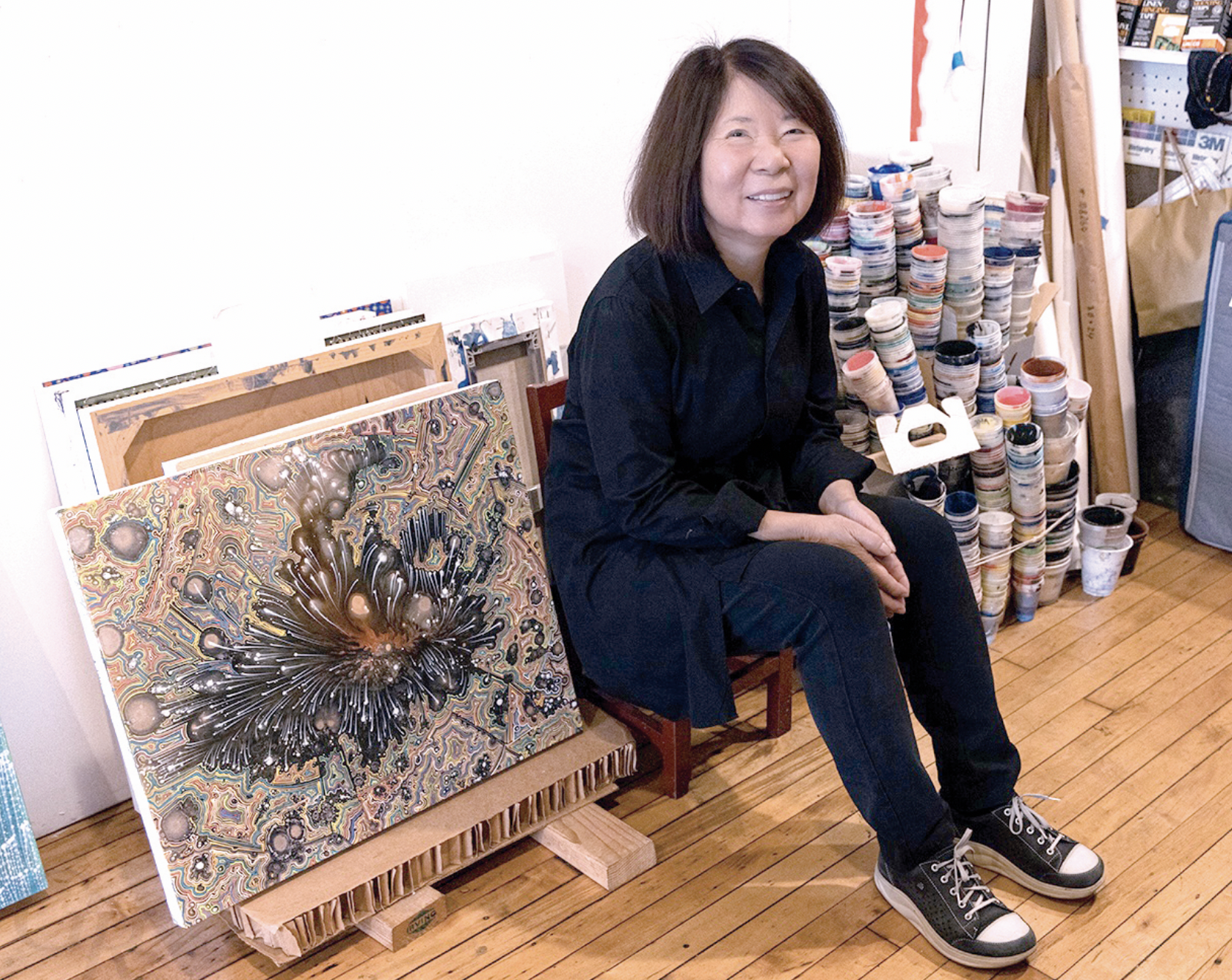
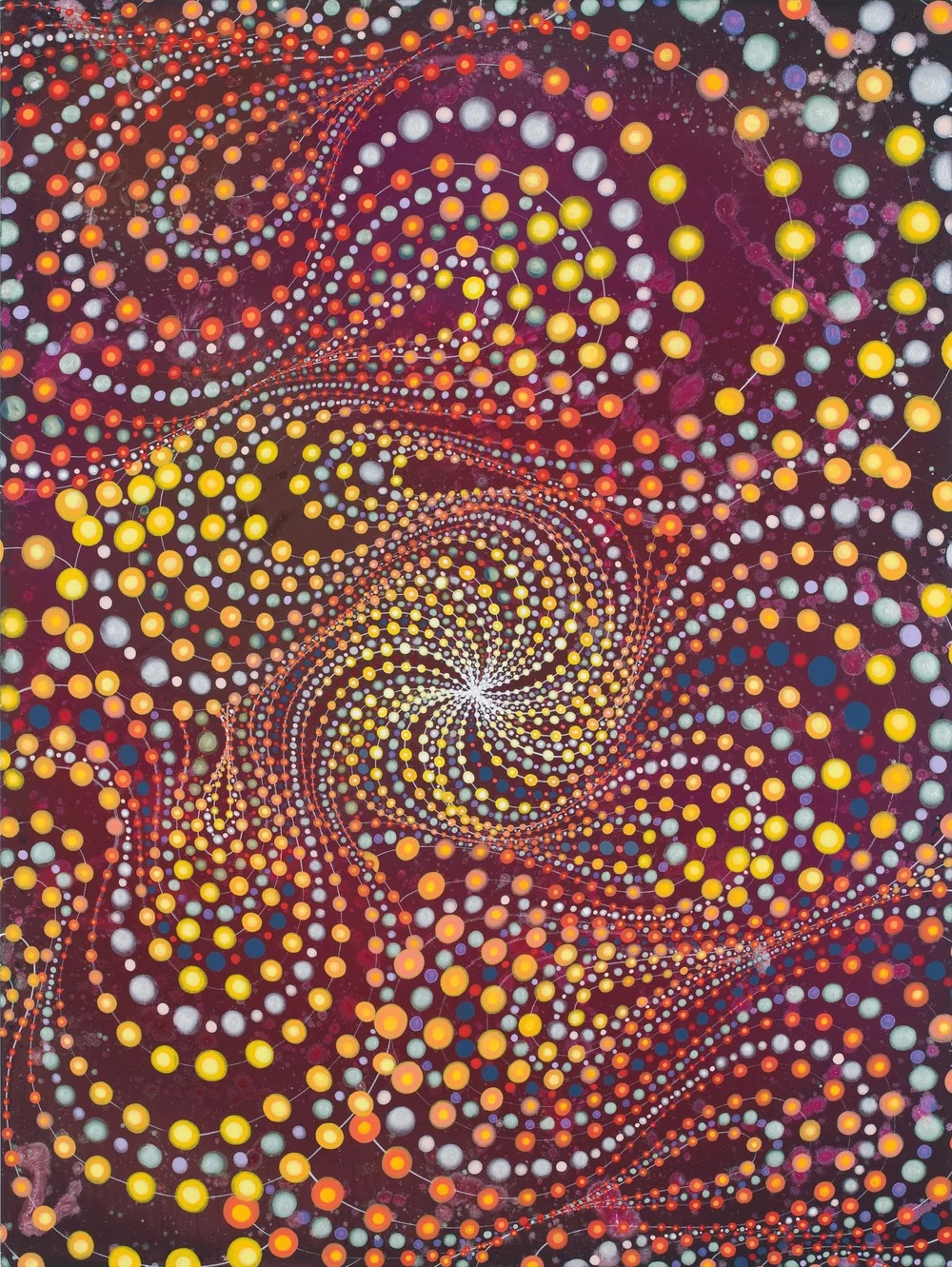
Now the museum is turning its attention to Barbara and her cosmic abstractions, on view from October 9th through April 11, 2027. The Awestruck exhibition marks the first major survey of Barbara’s work in nearly a decade and brings together more than 45 paintings spanning approximately 25 years of her career. Barbara’s work is abstract, but abstract doesn’t capture what happens when standing in front of one of her paintings. Her art suggests everything from astronomical explosions and distant galaxies to microscopic organisms, minerals, maps, and even mysterious landscapes, enormous in scope, yet incredibly detailed. Barbara describes her paintings as having implied narratives, pointing to natural phenomena, imagined landscapes, cosmic views, and Big Bang explosions as some of the imagery that informs her work. But subject matter aside, the point is to look, and to marvel.
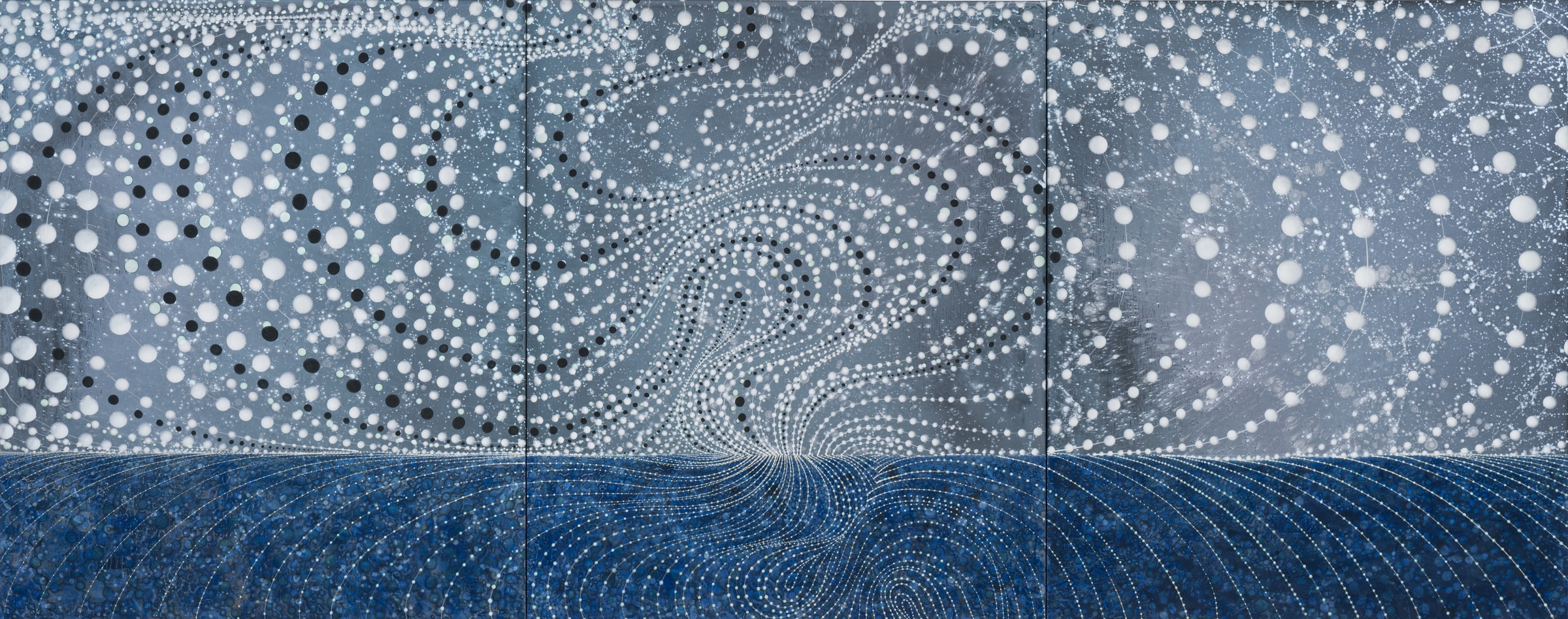
Jessica describes Barbara as “a true artist’s artist,” and a painter unlike anyone else working today, predicting that the exhibition will be a revelation for visitors. Barbara’s paintings can initially look quite familiar, a burst of color, an aerial landscape, an intricate pattern. But the longer one looks, the less certain the eye becomes about what it’s seeing. What’s the perspective here? Is that enormous thing actually tiny? Is it biological or geological? Terrestrial or celestial? As Jessica said, “You see a work and you think you’ve got the measure of it in about 10 seconds. But then you keep looking, and it keeps getting more interesting.” That experience, of revelation arising from contemplation, feels appropriate for the present moment. Ours is a culture of instant impressions, scrolling feeds, and snap judgments. The Kemper is proposing the opposite: keep looking, keep interpreting, and, perhaps most importantly, remain open to changing one’s mind.
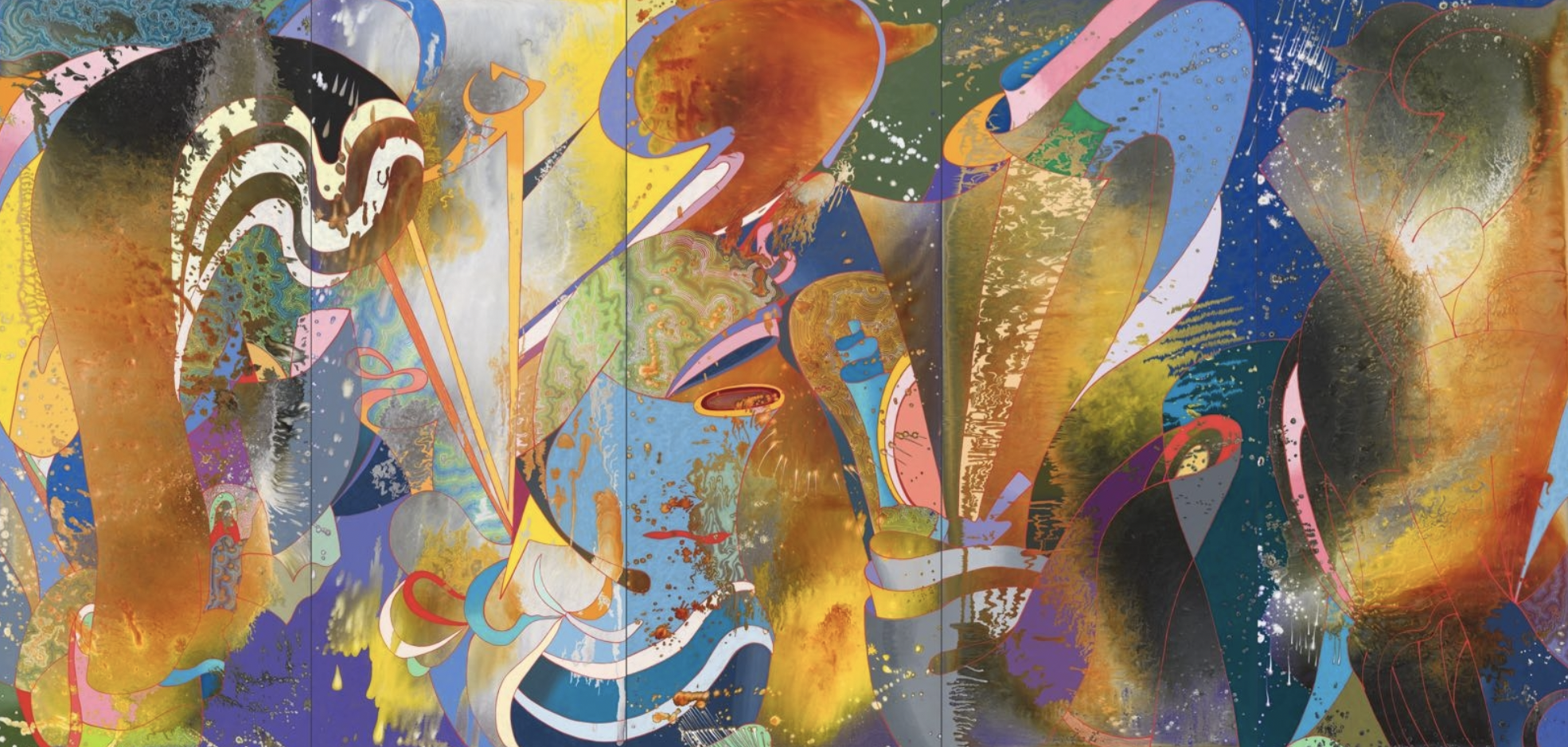
The museum will kick off Awestruck with a member preview and artist conversation on October 8th, when Barbara will discuss her 25-year body of work. The exhibition will open to the public the following day.
As Awestruck encourages closer looking, a current exhibition, Lie. Sit. Stand. Be Still., asks for something even more difficult: stopping entirely. On view through July 25, 2027, the exhibition is organized by Kansas City artist, community organizer, and independent curator, Amy Kligman. Approximately 30 works from the Kemper’s collection are arranged across two galleries, with the exhibition rotating in February 2027. The starting point is a portfolio in the Kemper collection featuring lithographs by Robert Graham alongside a poem by Beat poet Michael McClure. Amy took this poetry/image pairing as inspiration for an exhibition about rest, contemplation, silence, and the simple act of creating space to think. Rather than organizing the exhibition around a single artistic movement or subject, Amy has connected the works through the states of mind they evoke. “Amy found the poem to be an antidote to the busy, demanding nature of life right now,” Jessica said. The resulting exhibition contains works that reflect various ideas of “rest, focus, quiet, thoughtfulness.”
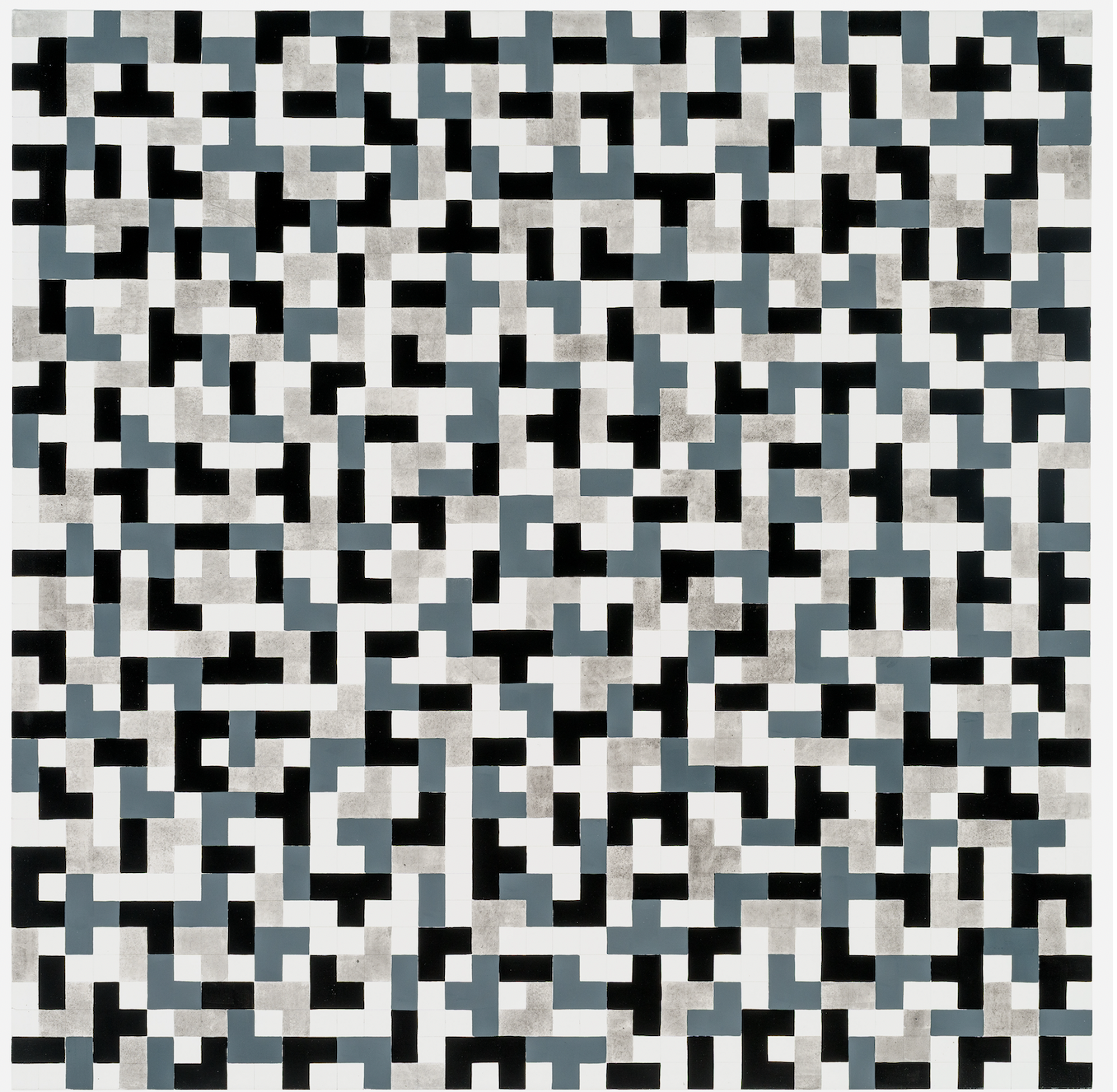
It is a striking pairing with Awestruck. One exhibition asks visitors to stop moving long enough to be still; the other asks them to stay with an image long enough for it to transform. Both also point toward a larger vision for the Kemper. Jessica said the museum intends to remain an “artist-forward institution,” with a strong commitment to connecting local and global artmaking. That could mean some ambitious programming ahead: Jessica said visitors should “look for us to take some big swings with amazing talent.”
Just as important, the Kemper sees itself as part of Kansas City’s broader arts ecosystem rather than an institution operating in isolation. The museum is working on upcoming educational collaborations with newEar Contemporary Chamber Ensemble, the Kansas City Public Library, and the Charlotte Street Foundation, among others, while also opening its spaces to other non-profit organizations. As a not-for-profit institution committed to free admission, community always comes first for the Kemper.
So come for the dazzling colors, cosmic imagery, and contemporary connections, then stay long enough to wonder what, exactly, is on view. Then keep looking.
Featured in the October 3, 2026 issue of The Independent.
By Willie Plaschke
