


When we talk about women changing literature, it’s tempting to start at the very beginning of modern storytelling with Mary Shelley (especially with the recent film adaptation), who at just 18, wrote Frankenstein and essentially invented science fiction while asking unsettling questions about creation, responsibility, and what it means to be human. She cracked open the door. The women who followed in the 20th century and beyond didn’t just walk through it – they rebuilt the house, rewired it, and challenged who literature was for, what it could say, and how boldly it could say it. Below are essential modern women writers whose work reshaped literary culture in lasting ways. These women didn’t just write great books; they expanded the boundaries of genre, language, and perspective. During Women’s History Month, reading their work isn’t just an act of appreciation; it’s a reminder that literature itself has been shaped, challenged, and transformed by women who refused to write the world as it was and instead imagined it as it could be.
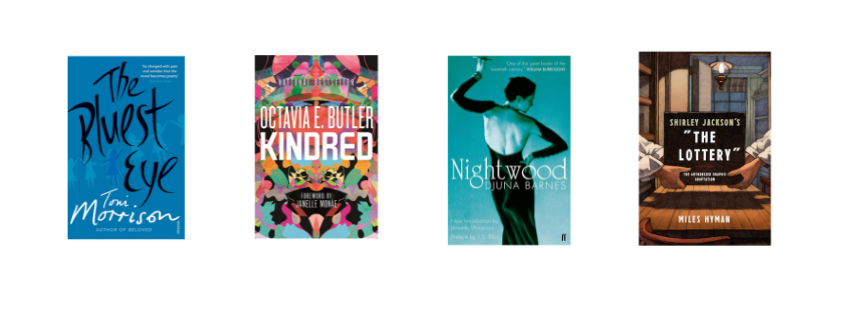
The Bluest Eye by Toni Morrison
Toni Morrison transformed American literature by centering Black interior life with lyrical depth and moral urgency, refusing to filter Black experience through a white gaze. The Bluest Eye shattered assumptions about beauty, innocence, and race, proving that the lives of Black girls belonged at the very heart of the literary canon.
Kindred by Octavia Butler
Octavia Butler changed speculative fiction by using science fiction not as escapism, but as a tool to confront history, power, and identity. In Kindred, she fused time travel with the brutal realities of slavery, expanding the genre to include Black history and making science fiction politically and emotionally urgent.
The Lottery by Shirley Jackson
Shirley Jackson redefined horror by locating terror not in monsters, but in communities and social conformity. The Lottery exposed the violence hidden inside tradition and “normalcy,” changing how writers approach psychological horror and social critique.
Nightwood by Djuna Barnes
Djuna Barnes pushed modernist literature into new territory by writing unapologetically about queer desire, alienation, and fractured identity. Nightwood challenged narrative structure itself, proving that experimental language could capture emotional truths traditional storytelling could not.
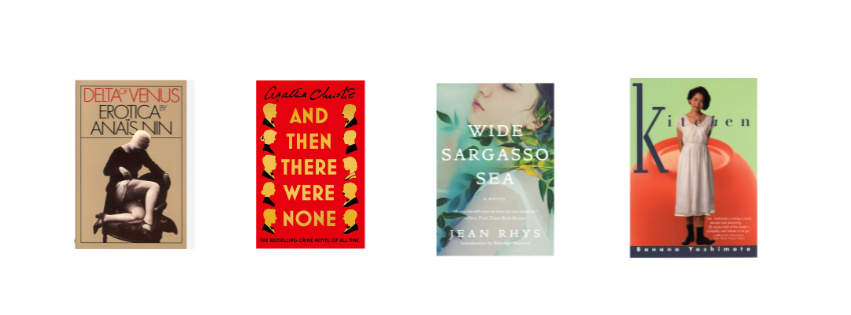
Delta of Venus by Anaïs Nin
Anaïs Nin changed literary conversations about sexuality by writing erotic fiction from a woman’s perspective, reclaiming female desire as complex, intellectual, and emotionally rich. Delta of Venus broke taboos around women’s bodies and inner lives, influencing generations of confessional and feminist writers.
And Then There Were None by Agatha Christie
Agatha Christie revolutionized the mystery genre with her precise plotting and psychological insight, proving that popular fiction could be intellectually rigorous. And Then There Were None reshaped detective stories by removing the detective entirely and turning suspense into a ruthless moral puzzle.
Wide Sargasso Sea by Jean Rhys
Jean Rhys changed literary history by rewriting it and how literature responds to itself. Wide Sargasso Sea gave voice to the silenced “madwoman in the attic” from Jane Eyre, challenging colonialism, patriarchy, and whose stories are allowed to be told.
Kitchen by Banana Yoshimoto
Banana Yoshimoto reshaped contemporary literature with her quiet, emotionally intimate style that blends grief, love, and everyday surrealism. Kitchen showed that softness, vulnerability, and domestic spaces could carry profound philosophical weight.
Happy Reading!
Featured in the March 21, 2026 issue of The Independent
