


Each classic American novel by Fitzgerald, Hemingway, Cather, Sinclair, or Faulkner holds up a mirror to our uniquely American strengths and foibles, our triumphs and failures. John Steinbeck’s Of Mice and Men still rings true today, nearly a century after its publication, partly because of what it reveals about the hope and despair that surround the American Dream. And few adaptations capture this short novel’s soul as winningly as Carlisle Floyd’s opera, introduced in 1970 at Seattle Opera—from its “buddy-picture” energy to its mistreatment of laborers, from its outbursts of violence to its loneliness and yearning.

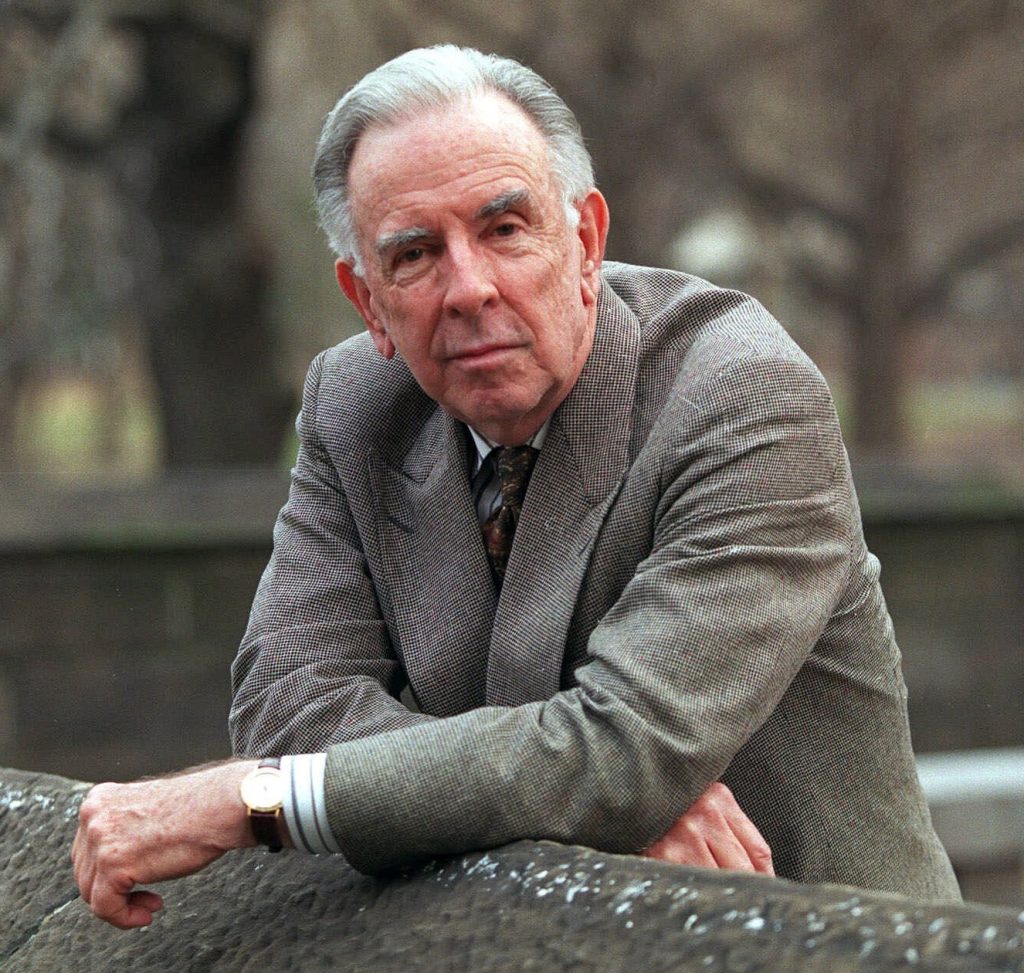
This May, the Lyric Opera celebrates the composer’s birth-centennial with a brand-new production of his masterpiece. We recently solicited thoughts from stage director Kristine McIntyre, who directs the production.
How would you describe the concept for this production?
I think the way we approached this was in the spirit of authenticity to the historical period and setting, but also a desire to represent the story as broadly as possible. George and Lennie are not unique but in fact are part of a long history of migrant farm laborers who have powered California’s agricultural economy. That story begins with Chinese immigrants, then Japanese and Filipino arrivals, Midwestern tenant farmers fleeing the Dust Bowl, Black sharecroppers fleeing Jim Crow laws in the South, Mexican braceros who came to fill the labor shortages dues to World War II (and who were then asked to leave as soon as we were done with them…). California is a great melting pot and we wanted to leave room for all those people.
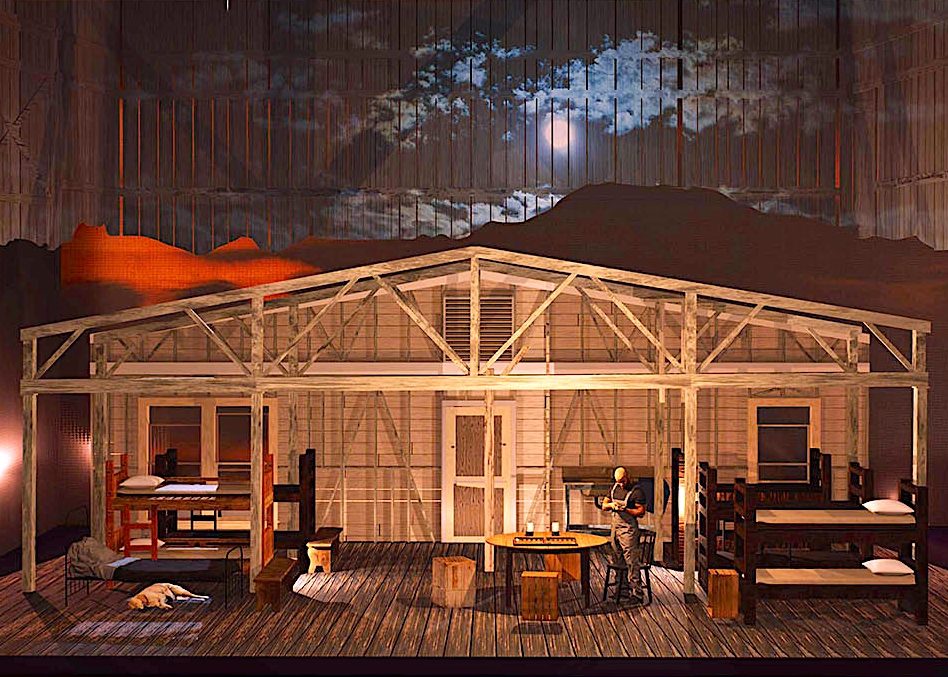
We also wanted to start in the 1930s but allow the designs to push forward a little, to make the storytelling as visually broad and interesting as we could. You can see that in details like the metal beds in the bunkhouse, in the lighting fixtures and sparse beauty of the scenic world. In all of these efforts, we were fortunate to be able to access a fantastic photographic record beginning with the work of Dorothea Lange and continuing with Marion Post Wolcott, Sid Avery and then finally Ernest Lowe, who was actually a student of Lange’s and who did incredible work in the 1960s and ’70s. Lange’s work has been particularly influential and I even reference two of her most famous photos in the staging.
Luke Cantarella, our scenic and projection designer, used details from all these photos to inform his scenic design, as did Kara Harmon for the clothes—literally months of painstaking research because these photos span generations and are such an amazing resource. In terms of the projections, that’s original content: Luke went to Salinas to film, because we wanted to capture the beauty and scope of the landscape that is the backdrop to this story. It’s ironic that such a tragedy unfolds against such beauty.
Another thing we’ve done with the projections is to use them to try to delve into Lennie’s psychology and see things from his perspective. I think there is great value in seeing the world through his eyes and so we’ve tried to center that in ways that are new but that feel appropriate to this more modern retelling.
How does Floyd make a case for making this story into an opera? What does his music bring to it that is unique and meaningful?
The music is quite lyrical and beautiful and there are some melodies that hit me hard when I hear them again. Maybe the best example is the theme for the dream of the little farm. George first sings it in Act I Scene 1, and Lennie joins in, and then Floyd cleverly weaves it through the remainder of the score. One of the most heartbreaking uses of it is in Act 3. … Candy asks George if they can still get the little farm. Then you hear the tune, but in a sad and plaintive way, and you know in your heart what George is about to say… that the dream is dead. … And I think that’s an example of what opera does that straight theater cannot: those emotional cues, that reinforcing of what we feel and see. There is also a cinematic sweep to Floyd’s writing that I love—particularly in the interludes.
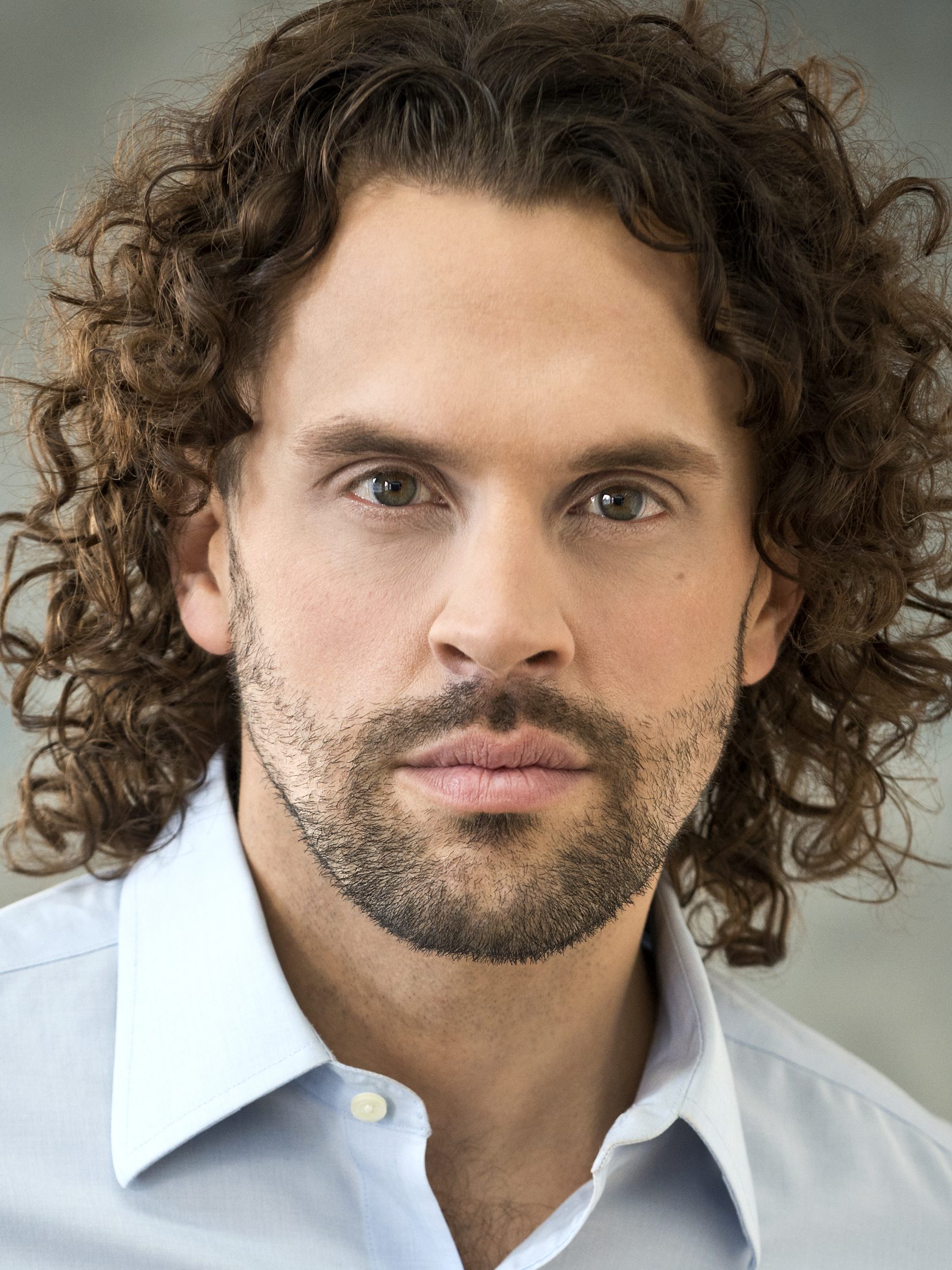
How do singers adapt their vocal style to this grittier, less stereotypically “operatic” style of singing?
I think singers today know exactly how to approach this. We are fortunate to be living in a great age of new American opera and so this idiom, which Floyd was really instrumental in creating, is familiar to them. Which is great! It’s an opera filled with subtleties, with brilliant dialogue set to music, with incredibly specific acting beats. After all, it’s based on a play. So as someone who came from the world of theater, it’s a joy to direct.
Steinbeck describes his characters with great specificity. How does that play a role in casting decisions?
Yes, this is an opera with a few specific requirements. Curley is ideally on the shorter side—that seems to feed his psychology: classic little guy syndrome. And Lennie is a big guy, whether that’s tall or just really strong, or both. In other ways, Steinbeck is less specific and so you try to find the essence of the character. Is Candy actually old, or just beaten down by life? Slim is described as “the prince of the ranch”: Maybe that’s not so much a physical trait as how he carries his authority naturally and easily?
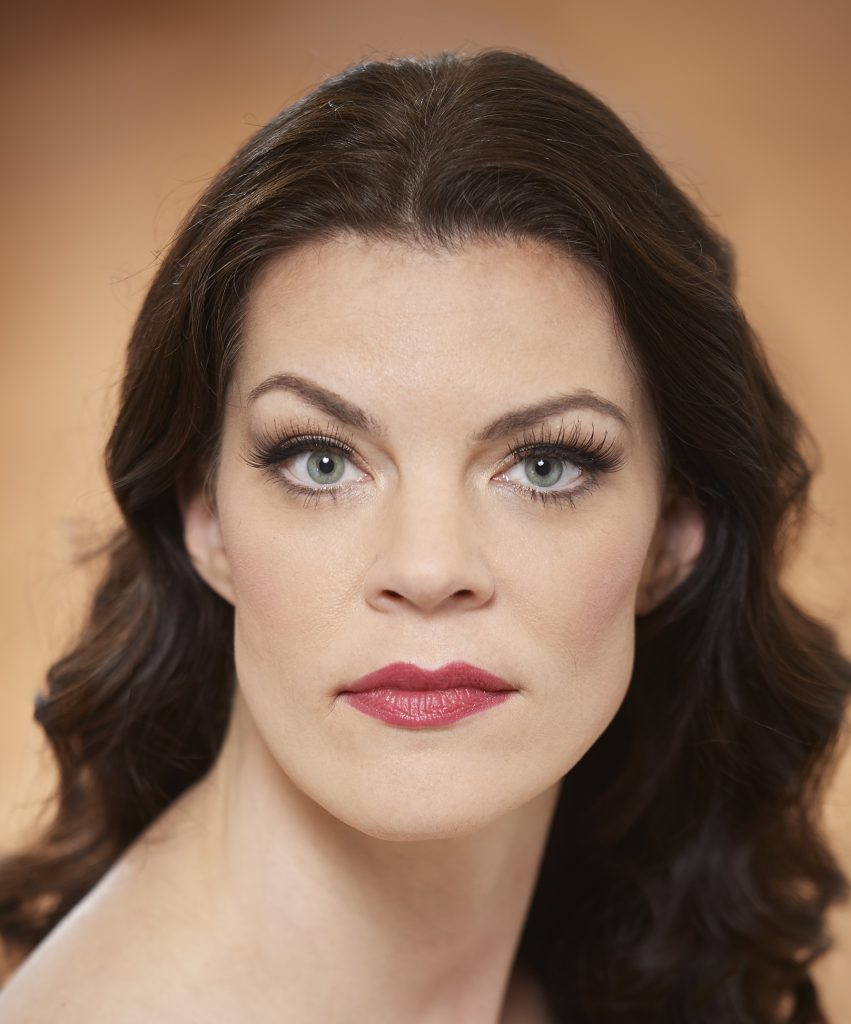
Curley’s Wife is portrayed, in earlier scenes at least, as a rather unsettling source of ridicule—until her character is fleshed out in the scene with Lennie. Is there a right and a wrong way to play the Wife?
When Steinbeck was creating the play from the novel, the original stage director (George Kaufman) went at him for making the Wife such a stereotype; and apparently in the first stage production Kaufman worked hard to flesh her out more and make her more three-dimensional. I think he actually made Steinbeck rewrite some lines.

Carlisle did a lovely job with her in the barn scene, and in this production, I try to do it earlier as well. The most important thing about her is that she is young—and naïve—and has made a terrible mistake in marrying Curley, which she discovers in the course of the opera. She becomes aware of her effect on men, which is the only source of power she has, and so she uses it: more out of boredom than malice, and it’s pretty harmless really.
What’s interesting is how crude the men are about Curley’s relationship with her, mostly out of jealously and disrespect to him (rather than her specifically). I have great sympathy for her because she’s caught in trap not of her own making. She makes some stupid mistakes, to be sure, and pays dearly.
Why does this story still have such enormous emotional impact on us? And is there something “American” about its resonance of economic inequality and social injustice?
And along the way, George and Lennie encounter the other outsider characters—Candy and Curley’s Wife—and there’s actually a moment before it goes wrong where all four of these damaged characters are in the bunkhouse together (a similar scene occurs in the book) and you kind of wish they could work it out: understand each other’s needs and desires. That’s also what is so compelling about the barn scene: two naive characters, each with a dream, sharing for a moment—before it all comes apart.
We love an underdog story, and that’s what this is. We root for outsiders, and George and Lennie are just that—the overlooked, the unseen ordinary guys just trying to have their little piece of the American dream. That always resonates, and especially now in these times. We’re getting better about telling more types of stories and yet this idea of wanting your own little corner of earth is universal, a characteristic American thing.

What was your personal experience with Carlisle Floyd when he was alive? And how would you summarize his contribution to opera?
I was very fortunate to have met Carlisle multiple times. I directed this opera three times while he was alive and he came to all of them. He was so generous and complimentary and filled with sympathy and encouragement for the singers—including suggesting musical alternatives in a few places! He was never precious about his operas but just wanted them to work. I did a few panel discussions with him, and it was always great to listen to him talk: and to deflect praise for the piece. He always said it was a success because he had great source material. Which is true but I think he should have taken more of the credit!
In terms of his contribution, he’s really the grandfather of new American opera, isn’t he? I think you can hear his influence in so much of what we do now. And just the idea that American stories are worth telling—that the lives of ordinary people can be lifted up into song. I love that about him.
Carlisle gathers climaxes around moments in which characters dream of a better life: How do you tie these together, heighten their impact?
Without giving too much away, the common denominator is Lennie in all those combinations you cite—and so yes, there is a visual cue that ties them all together (at least three of the four). One of the interesting things this time around has been to try to see those moments through Lennie’s eyes: What does he dream about, how does he imagine it, and how does it make him feel? Lennie is, after all, the emotional heart of the story. He’s what keeps George from being one of the lonely guys that Slim describes in his aria.
One of the traditional ways of looking at this opera is that George is a good human for taking on the burden of caring for Lennie. But that doesn’t acknowledge what George gets out of the relationship or what Lennie does for George—is that he keeps him from falling into despair. Lennie brings joy and hope. And George’s life is the richer for it. This is actually a story about friendship, above all else.
The Lyric Opera presents Of Mice and Men this May 1-3 at the Kauffman Center. Call 816-471-7344 or go to kcopera.org. To reach Paul Horsley, performing arts editor, send an email to paul@kcindependent.com or find him on Facebook or X/Instagram (@phorsleycritic).
