


When it comes to equal rights for women in the workplace, classical music has made considerable strides during the past half-century. Many American conservatories now boast from 40 to 50 percent female enrollment, and in other countries those numbers are even higher. A natural result of this, perhaps, is that symphony orchestras, once an almost all-male bastion, are now fast approaching gender equality.
But when it comes to music composition, women still occupy only 13 to 16 percent of the student body in many conservatories, and the percentage among composition faculties is even smaller. Likewise, representation of women’s works on orchestra programs remains in the 10 to 15 percent range, and the contributions of women in the areas of production and film music are also small.
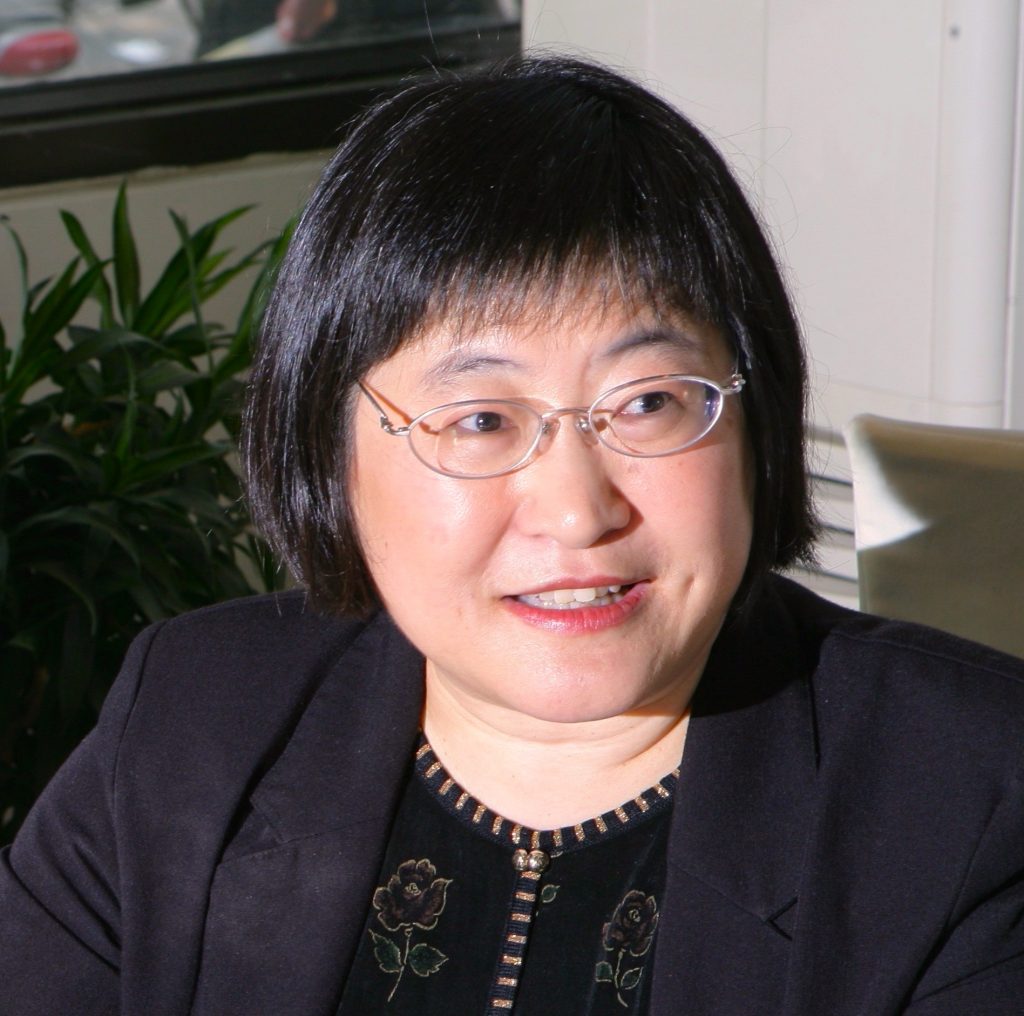
Thanks to composer-professors such as Kansas City’s Chen Yi, this trend has been changing with great speed over the last quarter-century. Since 1998, the native of Guangzhou, China, has served as the Lorena Cravens/Millsap/Missouri Distinguished Professor at the UMKC Conservatory, and her impact on music has been profound—in particular, on the number of women being trained as composers throughout the world.
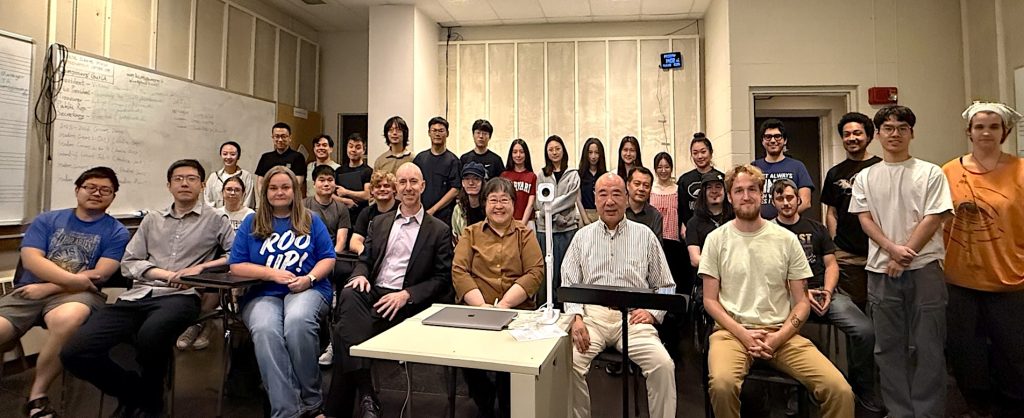
Chen Yi has not simply sat back to watch this process unfold organically: That’s not how it works. “Things can be improved, but they won’t be if we don’t work at it,” she said recently. “If we really promote women composers and their work, let’s let them be heard, let’s advocate for more people to hear and enjoy and appreciate that work. The situation can be improved.”
Chen Yi, who generally prefers to go by both names (Chen is her family name), has worked tirelessly to help achieve this mission throughout her long career, which began during the post-Cultural Revolution period in China and eventually brought her to Columbia University, where she earned her doctoral of musical arts degree, and Peabody Conservatory, where she had her first academic post.

By 1993, fresh out of Columbia, she was becoming a force in the promotion of women—initially as Composer in Residence for the Women’s Philharmonic, founded in 1981 in San Francisco as the first orchestra consisting only of women and devoted entirely to performing music of women. The Women’s Philharmonic, which sadly folded in 2004, was a revelation for many in the music world. It helped resuscitate the music of hundreds of composers dating back centuries, and it paved the way for new careers in music through grants, commissions, and performance opportunities.
Until the mid-1980s, “not many things had been established in this area,” Chen Yi said. “When you build programs and give opportunities, then the field will grow.” Under the direction of Nan Washburn, JoAnn Falletta, and Apo Hsu, the Women’s Philharmonic performed 283 works by some 160 women while it was active, including 134 premieres and 47 commissioned works. The world had never seen anything like it, and its impact continues through the Women’s Philharmonic Advocacy program. (See wophil.org.)
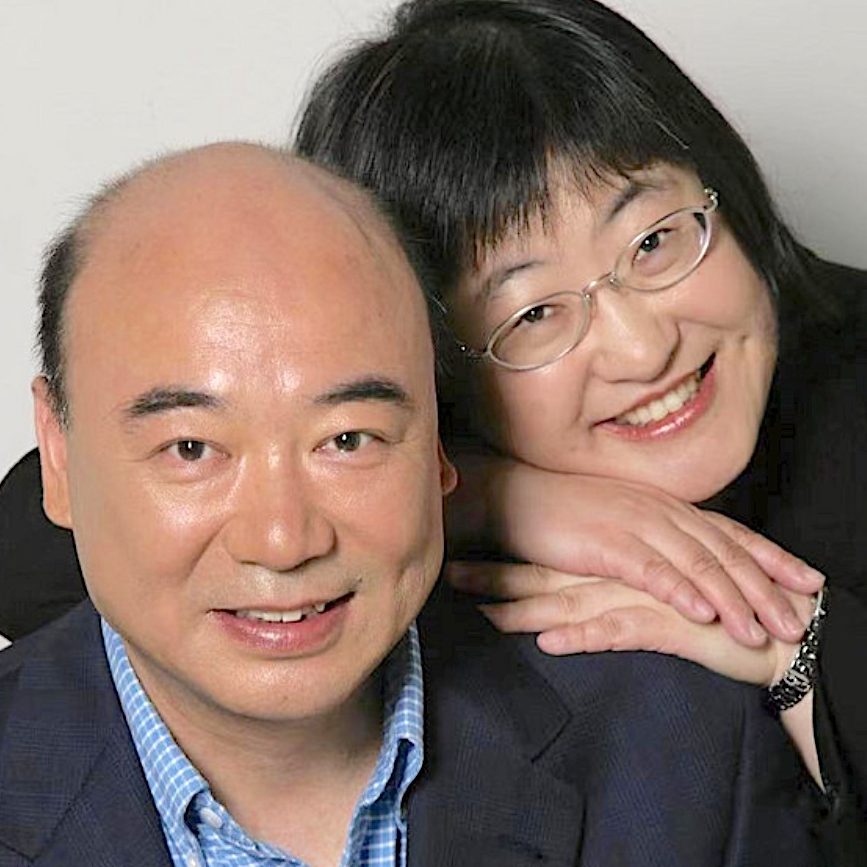
Chen Yi, who from 1978 was a member of the first post-Revolutionary composition class at the Central Conservatory of Music in Beijing, had not felt a strong sense of gender discrimination until she got to the United States. Her class of 27 in Beijing included six women, in fact, which was a far higher percentage than any composition class in the United States would have been at the time. She would eventually become the first woman to earn a master’s degree in China.
To be sure, all her professors throughout her education were men, and she absorbed—partly through her father’s love of Western classical music—“the culture of the Dead White Men composers,” she said with a laugh. “So I knew them well, and those composers were like icons for me to admire and study.” She is also a gifted violinist, and through her early years she played in all manner of ensembles: The impact of folk song is still heard in her music.
Chen Yi’s experience at the Women’s Philharmonic made her fully aware of the plight of women composers past and present. “Women in Europe long ago were not allowed to publish their works,” she said. “They had to use their husband’s name or their brother’s name.” She was duly impressed by the formation of the Women’s Philharmonic, and by the broad-ranging public it served. “We had a huge orchestra, 70 people, all women including all the conductors and the percussion,” she recently told her biographers, Leta E. Miller and J. Michelle Edwards. “I learned how they were discriminated against in history. Since then, I have supported women composers strongly.”

The American Composers Orchestra, with which Chen Yi is also involved, has also exerted a substantial force in building an orchestral repertoire of works by women. Founded in 1977, the New York-based ensemble has performed some 800 works by living composers, including large numbers of women through such initiatives as its Phenomenal Women program. (See americancomposers.org.)
As one of the most influential female composers of the modern era, Chen Yi has served on this group’s board, as she has with many other orchestras and chamber groups over the years. Through the ACO’s all-important Toulmin Foundation grants, numerous women have come to the attention of the musical public. “When you get the commission, you write for major orchestras.”
Chen Yi has served as composer in residence for dozens of organizations, taught masterclasses around the world, and worked locally with UMKC’s Women’s Council to help identify financial support and performance opportunities for Conservatory graduate student composers. In 2001, she won the Charles Ives Living Award, one of music’s most significant prizes, and in 2019 she was elected to the American Academy of Arts & Letters.
Her efforts are felt throughout the nation. But as anyone who pushes for change knows, there is little rest for the weary. “Closing gender gaps in classical music is not an inevitability, just because the field has achieved a few milestones,” said conductor Marin Alsop in an analysis of the 2016-2017 season of the Baltimore Symphony that she led for years. “Unless we actively try to change the landscape,” she added, “I don’t think it’s going to change on its own. I see fits and starts but I don’t see a sustained trend.”
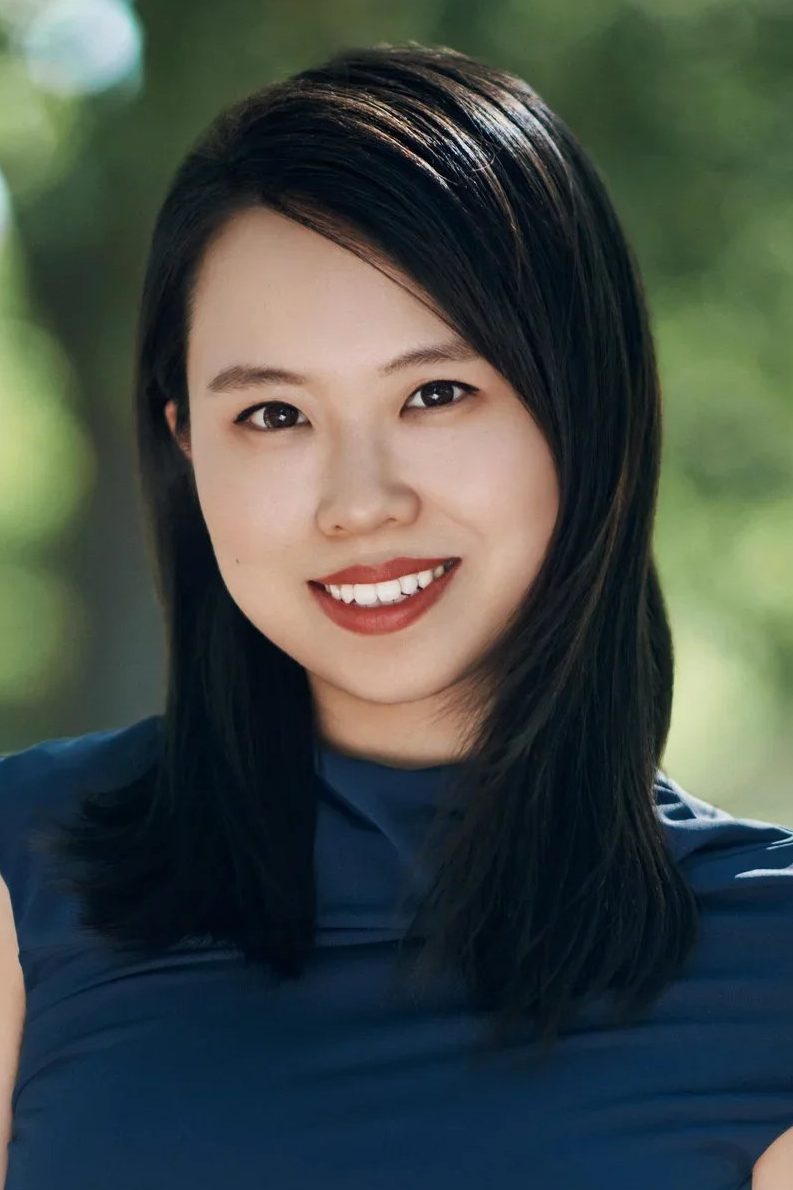
Here at the UMKC Conservatory, women play an ever-increasing role in the composition studios, especially in master’s and DMA programs. (Among the program’s recent success stories are Wang Xi and Yunfei Li.) Currently the percentage of women in the program is high, and even though gender is not a consideration in acceptance, there is little doubt that Chen Yi’s presence in the program plays a role in female interest in the program. “The people I recruit are always without consideration of sex,” she said. “We don’t count women or men when we accept. We don’t care who they are as long as they are good.”
In addition, Chen Yi is continually meeting and cultivating ties with women musicians, day in and day out, through conferences, residencies, and performances the world over. “I believe that we should work actively, and with a mission: to promote programs for women,” she said. “If we don’t act, things don’t change. If we get together and work, with ideas and vision and hard work, things will improve.”
—By Paul Horsley
For more information about Chen Yi’s more than 150 compositions, go to presser.com/chen-yi. This May 29th through the 31st, the Kansas City Symphony performs a new Chen Yi work, as part of a commission for seven composers each of whom was assigned a day of creation: Chen Yi, one of three women included, was given Wednesday. Call 816-471-0400 or go to kcsymphony.org.
