


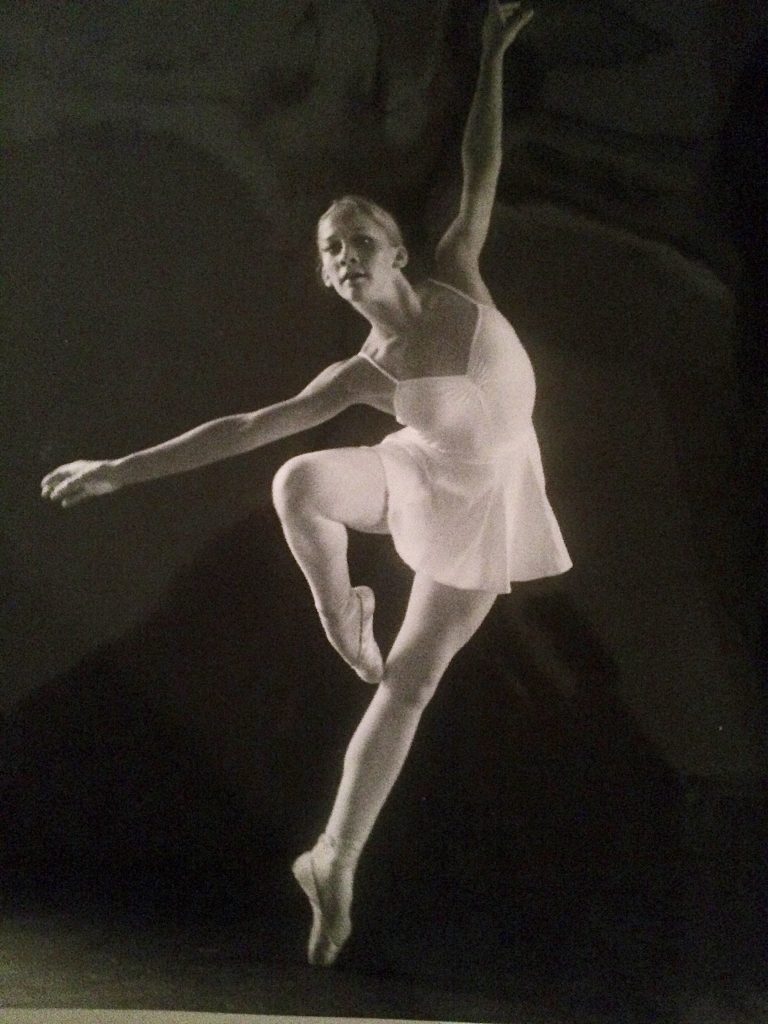
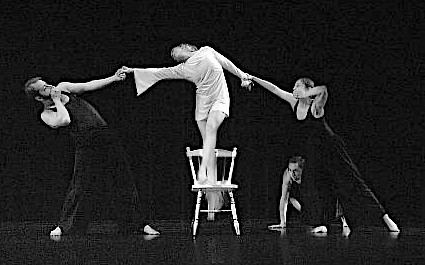
Lisa Hickok’s career in the arts has been on a dynamic upward trajectory for five decades. She began, as many of the best arts leaders do, as a performing artist. She joined the Kansas City Ballet first as an apprentice and then from 1974-1979 as company dancer: having trained under Founding Artistic Director Tatiana Dokoudovska, and having danced Clara in The Nutcracker no fewer than four times. Subsequently she performed with other groups including Reach Dance Collective.
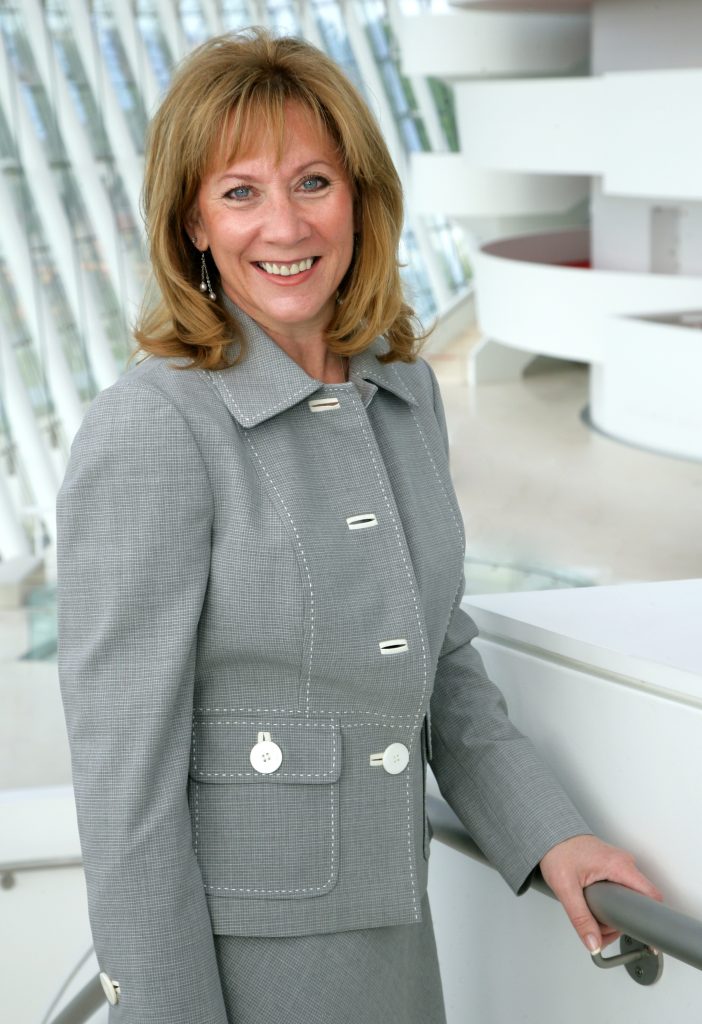
Since then, she has assumed several critical leadership roles: as executive director of Summerfest Concerts, as director of marketing for the Ballet, and as consultant for such groups as the Kansas City Chamber Orchestra, Spire Chamber Ensemble, and the Heartland Men’s Chorus. In 2013 she became founder and president of Merrill LLC Consulting. Lisa also helped raise money for the Kauffman Center for the Performing Arts and the Nelson-Atkins Museum of Art through their constituency organizations. From 2020 to 2025 she was executive director for Park University’s International Center for Music, which she steered through a major re-branding and helped bolster its international profile.
Recently Lisa took on what is perhaps her biggest and most exciting challenge yet: In June she became executive director of the world-renowned Friends of Chamber Music, which in the wake of its hugely successful 50th Anniversary season is moving toward unprecedented growth with its board and with Co-Artistic Directors Hyeyeon Park and Dmitri Atapine. Lisa is thrilled to get started. “I have absolutely loved every minute of being involved with the arts,” she said, “growing up as a dancer, enjoying the arts as an audience member, and then moving my professional life toward helping connect people with the arts.”
She has long been recognized for her fundraising abilities, something she attributes to a love for all art forms and to her ability to connect people with arts organizations in meaningful ways. “I love to help people find experiences that speak to them, that help them feel engaged. That’s when they become more involved, become ticket-buyers, become supporters.” Recently Lisa answered some questions about her career, the Friends, and the future of the arts in Kansas City.
How would you describe your philosophy of fundraising—in Kansas City in general, and specifically with respect to the Friends? How do the niches that the Friends fills become a selling point for potential supporters?
Fundraising is really relationship-building. It begins by listening: What moves someone? What experiences have shaped them? Then we connect those values with a meaningful opportunity to make a difference.
Kansas City is a wonderfully generous community, but people have many worthy choices. We have to be clear about the difference a gift makes. With the Friends, that story is especially compelling because the organization offers excellence with intimacy. We bring artists of the highest international caliber into settings where audiences can experience the human connection that is at the heart of chamber music.
And we do not stop at the concert hall. Through masterclasses, library visits, the Young Artist Project, and community events at places like Powell Gardens, the Friends helps make this music accessible and alive throughout the region. The Friends is not simply presenting concerts; it is sustaining an art form, mentoring the next generation, and creating meaningful encounters … with people who may not have known they were chamber music lovers. Those are the very real reasons for donors to feel that their support has lasting value.
What aspects of your training, focus, and personality have made you so effective in the posts in which you’ve served?
I have spent my life in and around the performing arts—as a dancer, an audience member, a volunteer, a board member, a marketer, a fundraiser, and an executive. That gives me an appreciation for the artistic side of the work as well as the practical realities that allow the art to happen. My academic background is in journalism, advertising, marketing, and communications, so I tend to think carefully about audience, message, and how an organization tells its story. But I believe the most important part of this work is personal. I genuinely enjoy people. I am curious about what matters to them, and I love helping people see themselves in an organization’s future. I also like building things …. teams, relationships, campaigns, events, and momentum.
How do you see the Friends fitting into Kansas City’s artistic ecosystem, and how would you like to steer the group through a changing landscape? Are there some directions you’d like to see the Friends take, artistically and fiscally, that up to now have not been explored?
The Friends is an essential part of Kansas City’s artistic ecosystem. For more than five decades, it has brought world-class chamber artists to our community while helping ensure that Kansas City remains a place where serious music-making is valued, heard, and shared. It also complements the work of our symphony, opera, ballet, universities, presenters, churches, and smaller ensembles by offering something especially intimate and artist centered.
The landscape has changed dramatically. Audiences have so many choices—more ways to experience music and less predictable habits than they did even a few years ago. Arts organizations are also working in a more competitive environment for charitable dollars. That makes it even more important to invite people in with thoughtful programming, welcoming experiences, and a clear sense of why live music matters now.
My first responsibility is to listen—to the artistic directors, staff, board, audience members, donors, and community partners. I want to build on the remarkable work already underway, particularly in education, community engagement, and audience development.
The Friends’ deepest base of support is, appropriately, local. This organization belongs to Kansas City. At the same time, its artistic reputation and the national reach of the artists we present can open doors to selected foundations, individual donors, and partners beyond the metro. I see that as an opportunity to pursue thoughtfully—not as a substitute for local relationships, but as a way to strengthen them and expand what the Friends can offer.
What are some of the concerts on the upcoming 2026-2027 season that you personally are especially looking forward to?
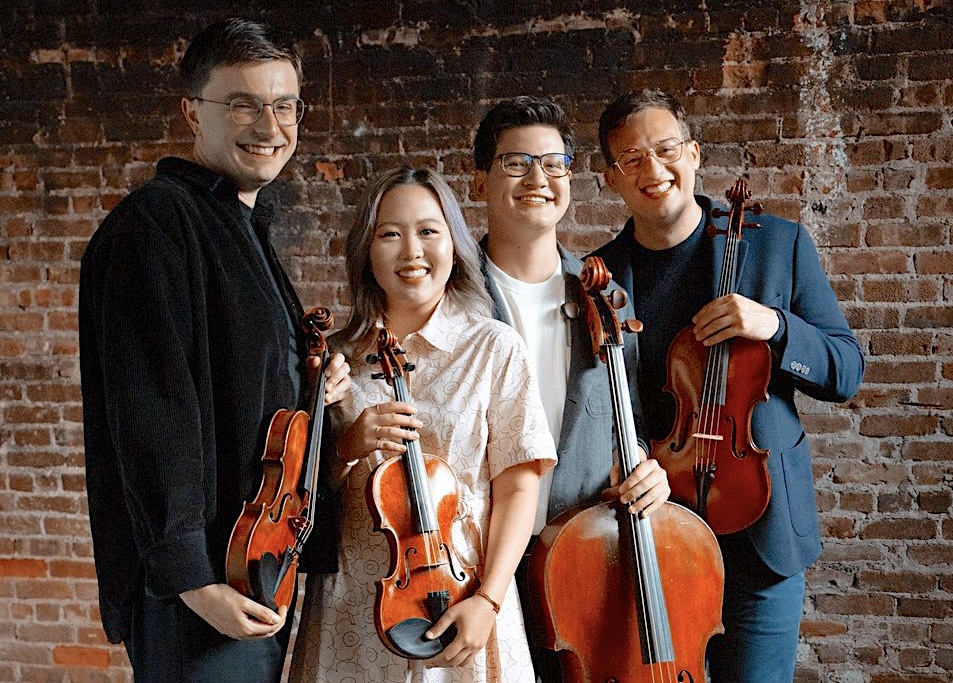
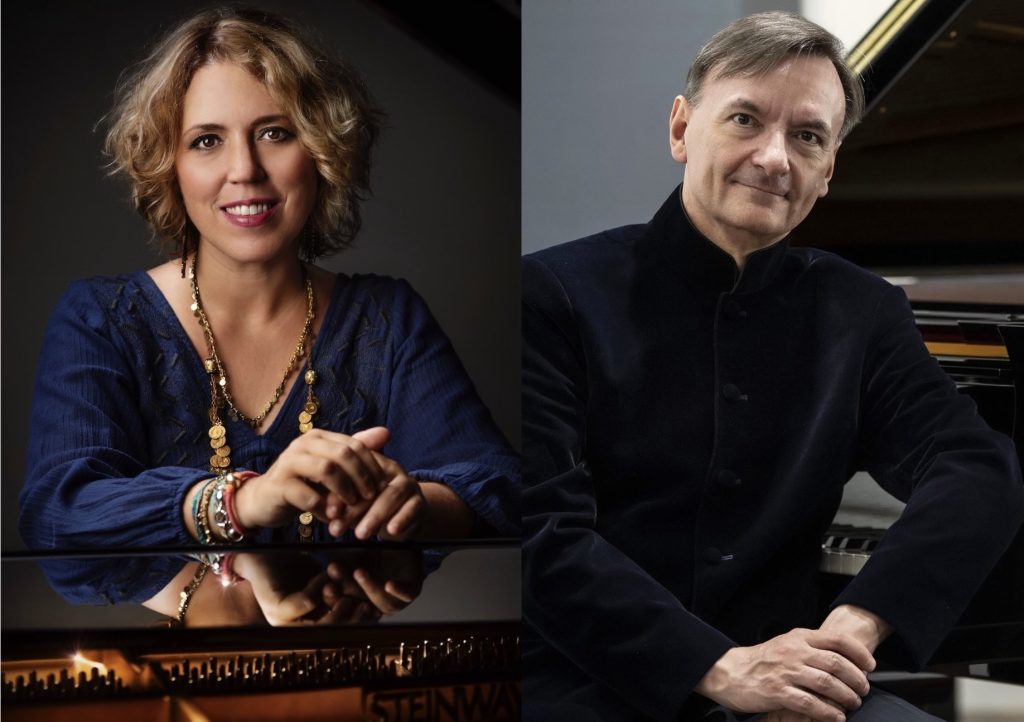
It is difficult to choose. I trained as a pianist through age 16, so I am especially excited to welcome Sir Stephen Hough and Gabriela Montero to the season. … I am also particularly excited about the Balourdet Quartet’s residency because it reflects something I think the Friends does especially well: bringing world-class musicians directly into the Kansas City community to mentor young talent, providing inclusive musical experiences, creating more personal connections to the music, and opening meaningful opportunities for young musicians to learn from exceptional performers.
The Early Music Series and other concerts that take place in churches here have regularly sold well, though filling the Folly has sometimes been a challenge. How might you bring this around?
I would be careful not to reduce that question to a single explanation. Churches often offer a natural acoustic and architectural fit for early music and vocal programs, and they can create a special sense of occasion. The Folly is also an extraordinary historic venue and an important home for the Friends. Different repertoire, artists, venues, days of the week, audience habits, and marketing approaches all shape attendance.
For me, the question is not simply how we fill a room; it is how we help more people feel that a Friends concert is for them. That means thoughtful storytelling before a concert, strong pre-concert experiences, flexible ways to subscribe, and continued attention to who is not yet in the room. Sometimes people need a personal invitation or a little context before they take the first step.
Dmitri Atapine and Hyeyeon Park are the artistic leaders of the organization, and I have enormous respect for their vision and expertise. My role is to be a collaborative thought partner—to bring what we learn from audiences, donors, sales patterns, community relationships, and the broader marketplace into conversation with their artistic ambitions. The best decisions will come from that partnership.
—By Paul Horsley
Tickets for the Friends of Chamber Music’s 2026-2027 season are on sale. Call 816-766-1096, or go to chambermusic.org. To reach Paul Horsley, performing arts editor, send an email to paul@kcindependent.com or find him on Facebook (paul.horsley.501) or Twitter/Instagram (@phorsleycritic).
