Recent issues
Established in 1899, The Independent is Kansas City’s longest-running magazine.

Recent issues
Established in 1899, The Independent is Kansas City’s longest-running magazine.

Issue
10.17.26

October 17, 2026
issue
October 3, 2026
10.03.26

issue
09.19.26
September 19, 2026

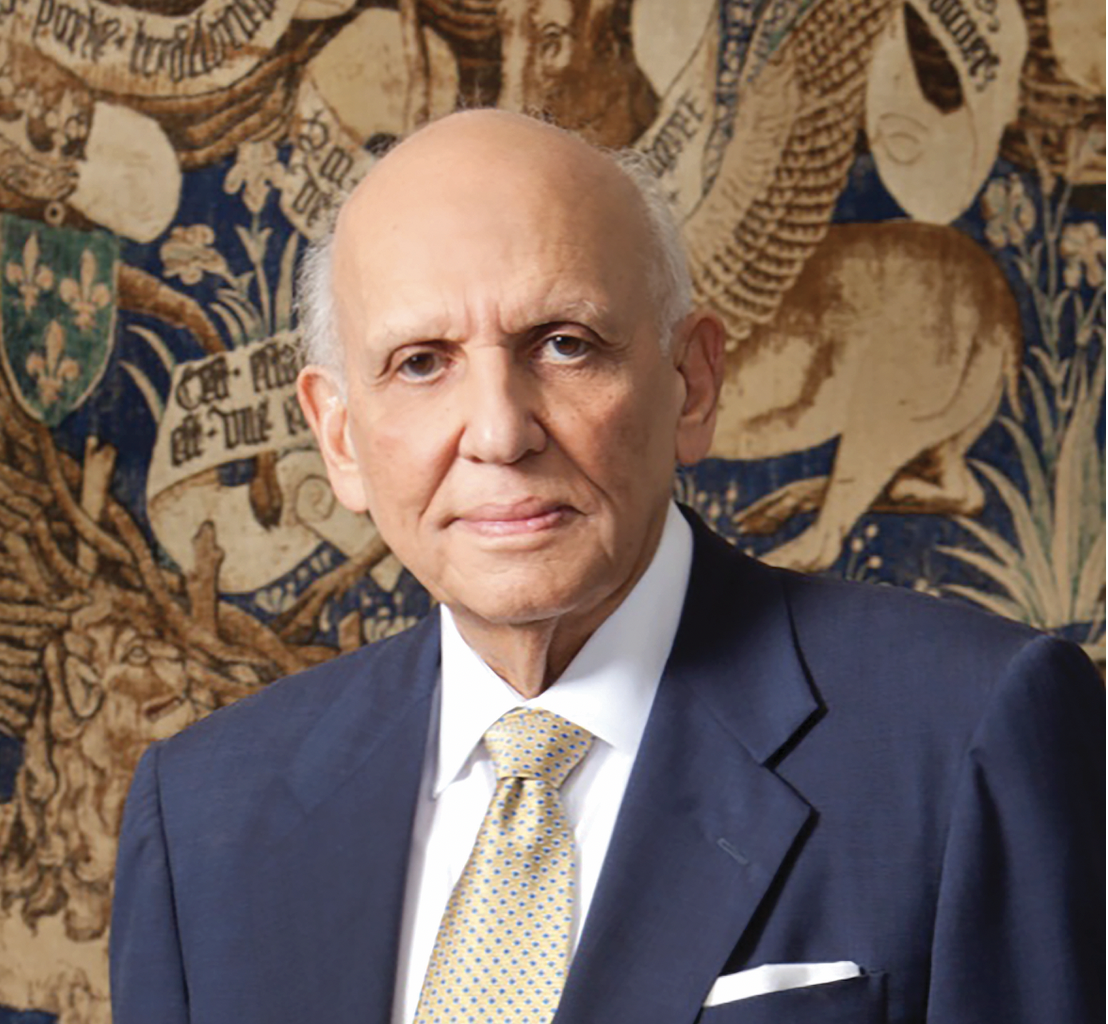
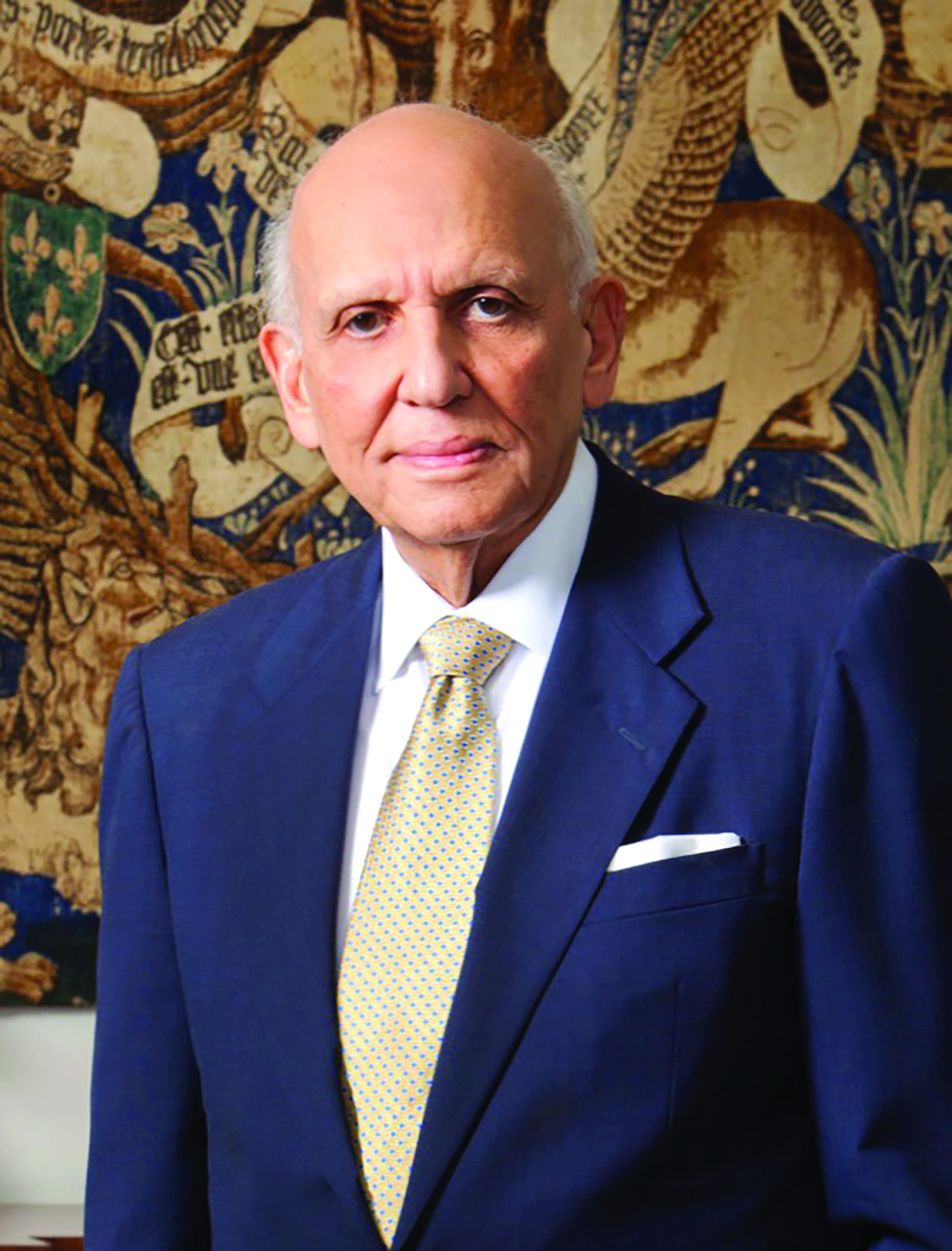
Dr. Felix N. Sabates, a pioneering retina specialist, educator, researcher, and founder of the Department of Ophthalmology at the University of Missouri-Kansas City School of Medicine, the Eye Foundation of Kansas City, and Sabates Eye Centers, passed away on August 5th in Key Biscayne, Florida.
Felix was born July 12, 1930, in Camagüey, Cuba. He earned his medical degree from the University of Havana Medical School in 1955 and traveled to Boston, Massachusetts, for postgraduate training. He subsequently completed a residency at the University of New York, Downstate Medical Center, and fellowships at the Harvard Medical School’s Massachusetts Eye and Ear Infirmary and the Retina Foundation in Boston. Felix accepted a position in 1961 as head of the Retina Service and assistant professor at the University of Missouri-Columbia School of Medicine’s newly established eye department.
In 1966, Felix moved to Kansas City to direct the eye program at Kansas City General Hospital and establish a private practice that would eventually become Sabates Eye Centers. In the mid-1970s, he was appointed founding chairman of the Department of Ophthalmology at the new UMKC School of Medicine. He held the title of Clinical/Emeritus Professor at UMKC and served as a visiting professor at universities throughout the United States, Europe, and South America.
Felix served as president of the Retina Society and past president of the Schepens International Society, both described as among the most prestigious organizations in retinal/vitreous disease. He also served as president of the Missouri Ophthalmological Society and the Kansas City Ophthalmological Society. Among his many professional honors was the American Academy of Ophthalmology Senior Honor Award.
In 1986, he founded the Eye Foundation of Kansas City. The foundation became a vehicle for internationally recognized vision research and continued his commitment to finding better treatments and cures for blinding eye diseases. His private practice, Midwest Eye Consultants, which became Sabates Eye Centers, also grew into a regional and international eye center. The Sabates family’s commitment to vision research also continues through the Felix and Carmen Sabates Missouri Endowed Chair in Vision Research, established in honor of the Sabates family.
In 2017, Felix authored a book, From Cuba with a Vision: Losing My Homeland and Gaining the American Dream, documenting his family’s journey.
Felix was predeceased by his wife of 67 years, Carmen Corripio Sabates. He is survived by his daughter, Carmen Sabates; his sons, Dr. Felix Sabates, Jr. and Dr. Nelson Sabates (Rachael); and his grandchildren, Alexandra, Victoria, Catherine, Nelson Jr., Olivia, and Spencer.
Featured in the October 17, 2026 issue of The Independent.

Subscribe Today
In addition to receiving 26 issues of The Independent Kansas City’s Journal of Society, your subscription will include our annual publication, the Charitable Events Calendar and a subscription to our e-newsletter, The Insider.
Questions about your current subscription? Contact Laura Gabriel at 816-471-2800.
Get a Subscription


6 events found.